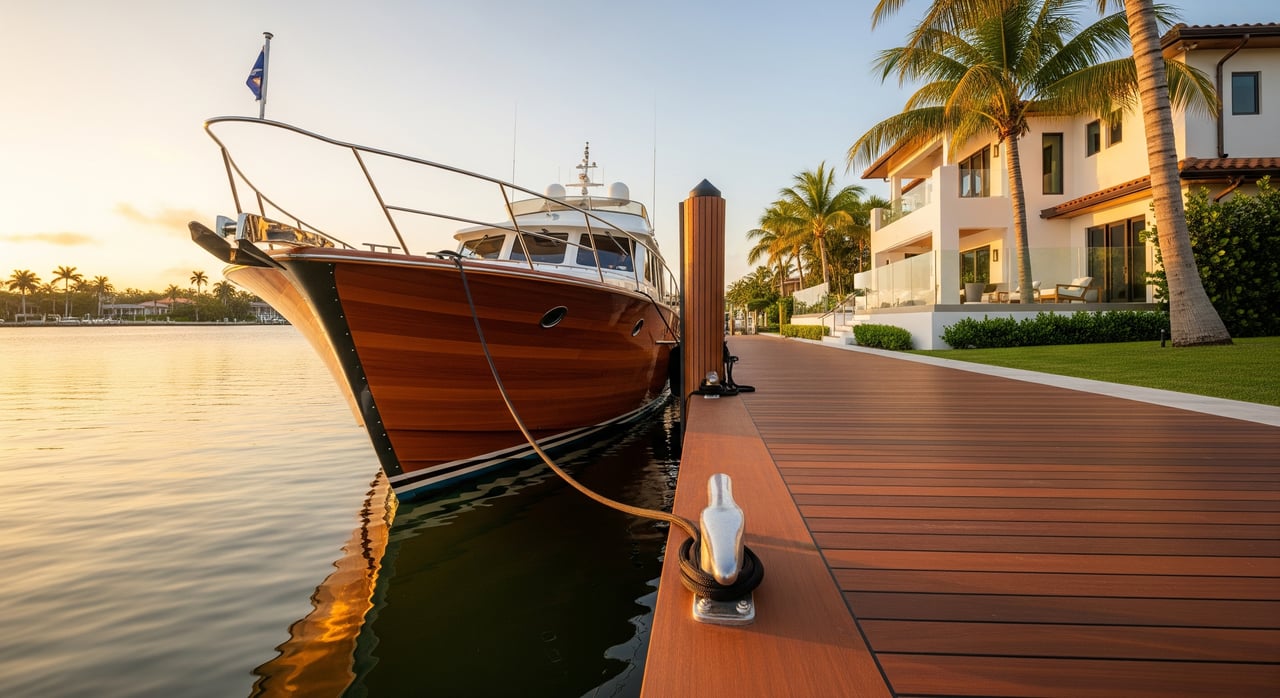
Do you picture stepping onto your boat just a few steps from your back door? In Ocean Ridge, that vision is real life for many homeowners. With canals that connect to the Intracoastal Waterway and convenient access to Atlantic fishing grounds, boating here is more than a hobby. It shapes your days and defines your weekends. In this guide, you’ll learn how boating works in Ocean Ridge, what to check before you buy a waterfront home, and how to navigate permits, safety, and seasonal planning. Let’s dive in.
Ocean Ridge at a glance
Ocean Ridge is a small, low-profile coastal town set along a barrier island in Palm Beach County. Many homes sit on man-made canals that lead to the Intracoastal Waterway. The result is a calm, residential setting with private dockage and quick connections to the broader waterway network.
If you enjoy inshore and nearshore fishing, cruising the ICW, island hopping, or dining by boat in neighboring towns, you will find a natural fit here. You can run protected routes along the ICW or, conditions permitting, head out to the Atlantic through nearby inlets for sportfishing.
Key waterways and access
Intracoastal Waterway (ICW)
The ICW is your protected north–south route along the coast. From Ocean Ridge, you can cruise to waterfront restaurants, visit neighboring marinas, or plan longer trips along the Palm Beach County shoreline. The ICW helps you avoid ocean swell on windy days and offers straightforward navigation for small to medium recreational vessels.
Nearby inlets for ocean access
The nearest federally maintained inlets are Lake Worth Inlet to the north and Boynton Inlet to the south. These are the usual gateways for small craft heading offshore when conditions allow. Inlet currents can be strong, and sea state changes with wind and tide, so plan your timing and crew accordingly.
Tides and currents
South Florida’s tidal range is modest compared with northern coasts. Even so, tide level and wind-driven surge can affect draft and bridge clearance, especially in narrow canals and at inlet channels. For planning, NOAA tidal predictions and charts are the authoritative source. Check tide windows if you run a deeper draft boat or have a tall mast.
Where to dock your boat
On-property docks and lifts
In Ocean Ridge, many properties include a private dock, often with a lift. Dock layouts vary by parcel. You will see a mix of fixed and floating docks, different lift capacities, and a range of shore power setups. The most important constraints are canal width, depth at mean low water, and any fixed bridge or overhead clearance between your dock and the ICW.
Before you close on a home, verify the dock’s permitted dimensions, the allowed maximum vessel size, and whether the dock is shared or private. Ask for maintenance records, lift specs, and any as-built plans tied to previous permits. Practical details like cleats, lighting, and shore power amps will affect everyday use and cost.
Nearby marinas and services
Ocean Ridge’s small footprint means larger marina facilities are located in nearby towns such as Palm Beach, West Palm Beach, Boca Raton, Delray Beach, and Boynton Beach. Regional marinas typically offer wet slips, dry-stack storage, fuel, pump-out, and repairs. Boatyards and haul-out facilities are concentrated around larger ports, so if you own a bigger vessel or plan major work, identify a yard that can handle your length, beam, and draft.
When considering a marina, confirm slip availability by season, power and water service, guest moorage options, and hurricane policies. If you store your boat at home but plan to fuel or pump out at a marina, locate the nearest stations and check their operating hours.
Rules, permits, and safety
Who regulates what
Several authorities govern docks, seawalls, and safe boating:
- Town of Ocean Ridge and Palm Beach County regulate local building, zoning, and shoreline work. Check parcel-specific permits and code requirements before you plan modifications or repairs.
- The U.S. Army Corps of Engineers and the Florida Department of Environmental Protection oversee work in navigable waters and coastal construction. Many shoreline structures and alterations require state or federal permits.
- U.S. Coast Guard navigation rules apply on federal waters. Local no-wake zones and speed limits on the ICW and canals are enforced by county marine units.
- The Florida Fish and Wildlife Conservation Commission sets state boating laws, boater education standards, vessel registration, and onboard safety equipment rules.
No-wake zones and canal etiquette
Many residential canals in the area are designated low-speed or no-wake zones. Keep speeds down to protect docks, seawalls, and shorelines, and to maintain good neighborly relations. Trim tabs and throttle control are your friends for wake reduction in tight quarters.
Pump-out and waste management
Florida restricts the discharge of untreated sewage. Use pump-out facilities and keep onboard systems in good working order. Proper waste management is essential for environmental compliance and for protecting the waterways you enjoy.
Seawalls and shoreline stability
Seawall condition affects safety, insurance, and long-term costs. Ask for records on age, construction type, and recent repairs. Some notices or standards may come from county or state programs. If you have concerns, request an engineering assessment to understand remaining life and potential capital needs.
Hurricane-season planning
A clear plan is part of boating life in South Florida. Local practice includes several options when a storm approaches:
- Haul the vessel to dry storage if capacity allows.
- Move to a protected marina or yard with a documented hurricane plan.
- Secure at the home dock with double lines, chafe protection, removed canvas, and protected electronics.
- Follow local guidance on bridge operations and waterway closures as conditions develop.
Insurance policies vary by vessel type and location. Review hurricane deductibles, agreed value versus actual cash value, and any marina requirements tied to storm plans. If you belong to an HOA, check for rules covering storm preparation and dock use during named events.
Buyer dock due diligence checklist
Use this list to verify the essentials before you purchase a waterfront property:
- Permits and as-built plans: Confirm current permits for the dock, seawall, and lift, plus dates of issuance and any modifications.
- Dock dimensions and capacity: Document slip length, beam, permitted maximum vessel LOA and beam, and whether the dock is shared or exclusive.
- Water depth: Verify dredged depth and depth at mean low water in front of the dock. Confirm who is responsible for future dredging if needed.
- Overhead and bridge clearance: Measure vertical clearance for masts or hardtops, and confirm fixed-bridge clearances on the route to the ICW or inlet.
- Seawall condition: Request engineering reports or repair records, including any notices from county or state programs.
- Easements and riparian rights: Identify recorded easements or rights-of-way that affect dock access or use.
- HOA or town restrictions: Review association and municipal rules covering dock improvements, guest moorage, vessel types, and any assessments.
- Shore power and services: Note voltage, amps, pedestal condition, lighting, freshwater access, and any pump-out logistics you expect to use.
- Insurance and costs: Ask about underwriting limits tied to location exposure, hurricane deductibles, dock insurance, and routine maintenance costs.
Living the boating lifestyle
A typical day might start with a sunrise cruise along the ICW, a stop for brunch at a waterfront spot in a neighboring town, and a leisurely ride back with the tide. When seas are favorable, anglers run offshore through nearby inlets for reef and pelagic fishing grounds. Plan your transit times around bridge openings, currents, and wind.
If you prefer a lower-maintenance setup, dry-stack storage at a nearby marina can keep your boat ready while reducing dock wear-and-tear at home. If you enjoy impromptu sunset runs, a lift at your property offers speed and convenience. The right fit depends on how often you go out, your vessel type, and the routes you favor.
How to research with confidence
Reliable information saves time and prevents surprises. NOAA’s tide predictions and charts are the standard for planning depth and clearance. The U.S. Coast Guard publishes navigation rules and safety guidance. For permits and shoreline work, consult the U.S. Army Corps of Engineers and the Florida Department of Environmental Protection. At the local level, the Town of Ocean Ridge and Palm Beach County can provide building and permit histories, plus details on ramps, pump-out access, and environmental programs.
If you are comparing properties, order a marine survey focused on dock structure and water depth at mean low water. Ask your insurance specialist about underwriting for your vessel in the specific canal or ICW segment you will use. If you expect to rely on a marina for services or storm plans, call ahead to confirm availability and policies.
How we can help
Buying or selling a waterfront home is as much about lifestyle as it is about square footage. You deserve a team that understands both. The Olive Belcher Team specializes in waterfront and estate properties across the Palm Beach–Broward corridor and brings white-glove guidance to every step. We help you verify permits and records, coordinate surveys, and match your boating goals with the right property and dock configuration. If discretion and design-forward presentation matter to you, our boutique approach is built for it.
Ready to explore Ocean Ridge from the water? Request a Private Consultation with The Olive Belcher Team.
FAQs
What makes Ocean Ridge appealing for boaters?
- Ocean Ridge offers residential canals with private docks that connect to the ICW, plus access to nearby inlets for Atlantic runs when conditions permit.
How do I reach the Atlantic from Ocean Ridge?
- You typically use Lake Worth Inlet to the north or Boynton Inlet to the south, planning around tides, currents, and sea state for safe passage.
Can I keep a large yacht at a private dock in Ocean Ridge?
- It depends on the property’s permitted dock dimensions, canal width and depth at mean low water, fixed-bridge clearances, and any HOA or town rules.
Are there full-service marinas near Ocean Ridge?
- Yes. Neighboring cities in Palm Beach County offer marinas with wet slips, dry-stack storage, fuel, pump-out, and repair services. Confirm slip size and availability.
What permits are required for dock or seawall work?
- Local permits typically come from the Town of Ocean Ridge and Palm Beach County, with possible approvals from the U.S. Army Corps of Engineers and FDEP for certain work.
How do tides affect boating in Ocean Ridge canals?
- South Florida tides are modest but still impact draft and clearance, especially at low tide and near inlets. Check NOAA predictions when planning routes.
What should I include in a pre-purchase dock review?
- Verify permits, dock dimensions, MLW depth, overhead clearances, seawall condition, easements, HOA rules, shore power, and insurance requirements.