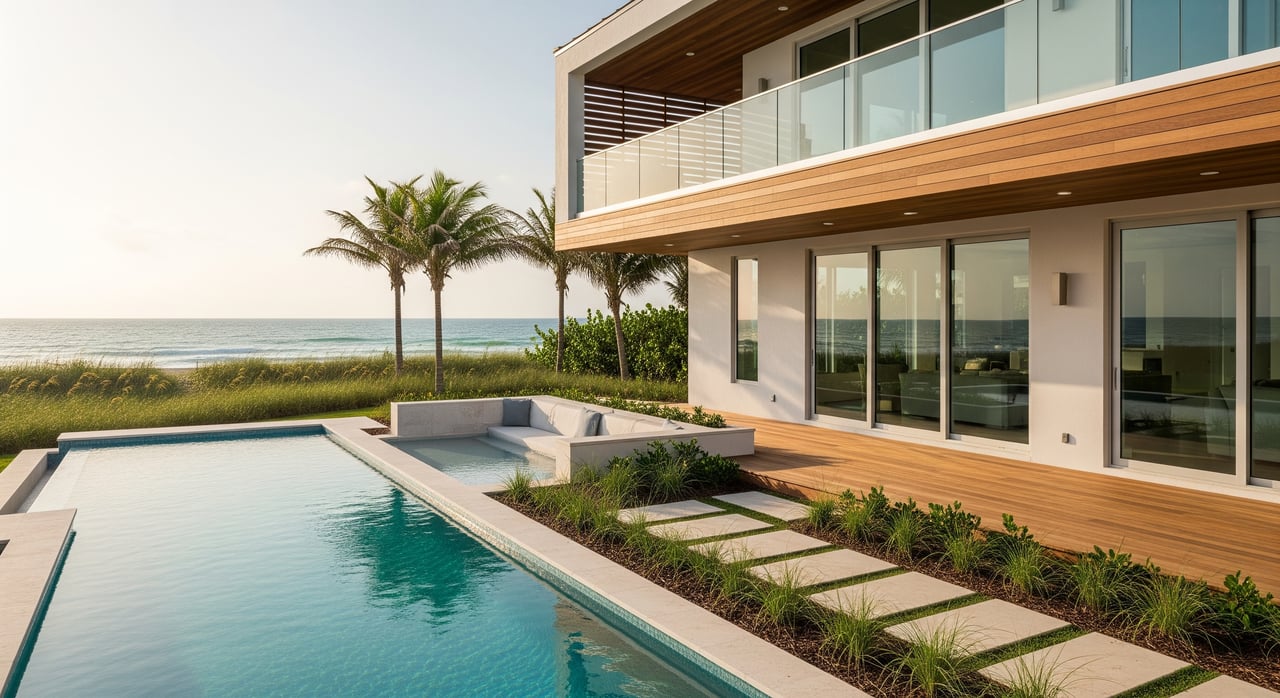
Is a brand-new home in Pompano Beach on your radar? With fresh towers along the shoreline and thoughtful infill across the city, you have more new-build options than ever. You want the right location, modern amenities, and a clear path from deposit to closing. This guide gives you a concise, practical overview of where new construction is happening, how pre-construction works, what to compare against resale, and the steps that protect you from surprises. Let’s dive in.
Where new homes are rising in Pompano Beach
Beachfront and near-beach districts
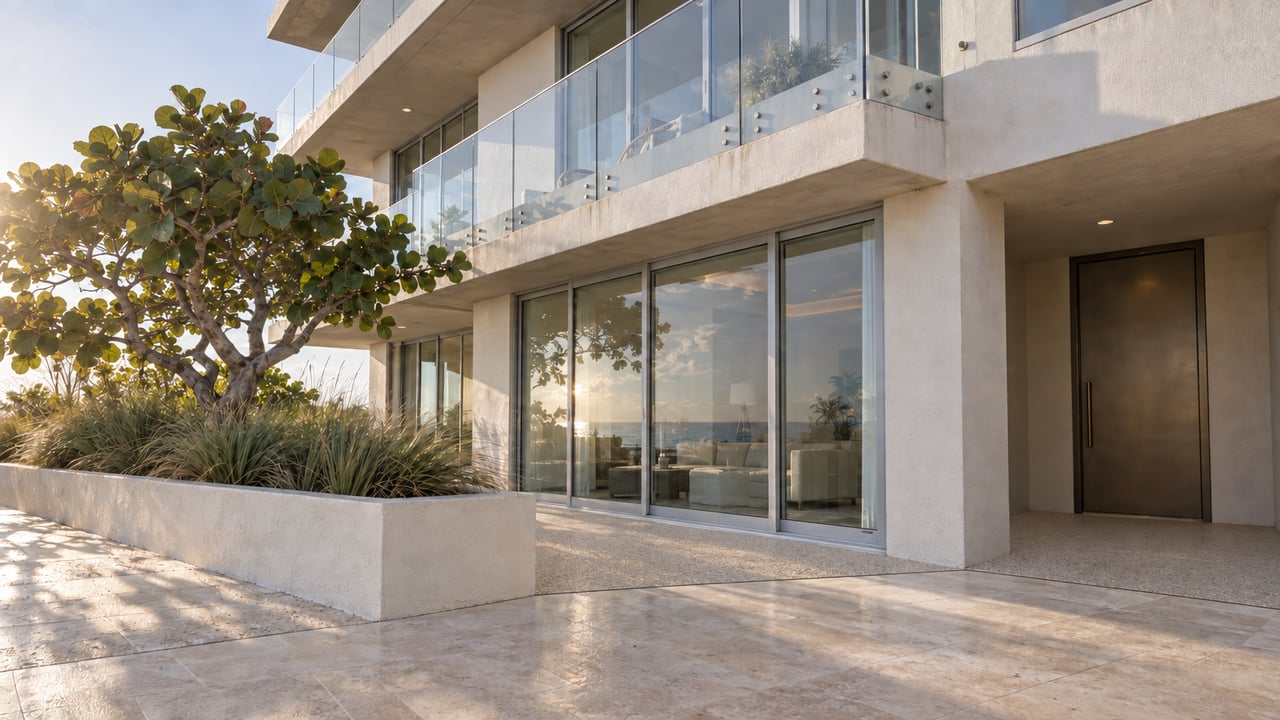
Coastal Pompano Beach is seeing renewed interest in mid- and high-rise condominiums, boutique luxury buildings, and mixed-use projects near the pier and beachfront promenade. These buildings cater to buyers who value walkability to the sand, dining, and marina access. Public improvements and renourishment have enhanced the area’s appeal, supporting long-term value.
Downtown and Atlantic Boulevard corridor
Downtown and the Atlantic Boulevard corridor are adding mixed-use projects and smaller condo or townhome buildings. These sites aim to balance residential living with nearby retail and services in a more urban setting. If you prefer a central location with convenient access to city amenities, these projects are worth a look.
Inland neighborhoods and key thoroughfares
Inland, you’ll find townhomes, stacked flats, and single-family communities from regional and national builders. These neighborhoods often offer lower density and more space than coastal high-rises. You may also see former commercial sites along major roads converted to residential, bringing new options closer to transit corridors.
What to watch locally
Track project approvals and rezonings through the City of Pompano Beach and CRA updates to see what is coming next. Broward permit trends can signal when projects are approaching vertical construction. Short-term infrastructure work can affect access and parking, while long-term improvements tend to support livability and values.
What you can buy and expect
Common property types
- High-rise condominiums near the coast or downtown, typically 8 to 40-plus stories.
- Mid-rise and boutique condos, often 4 to 12 stories with private amenities.
- Townhomes and stacked flats, sometimes in gated pockets near transit corridors.
- Single-family homes on infill lots or in small new subdivisions.
- Mixed-use buildings with ground-floor retail and residences above.
Amenities and features
Coastal towers commonly include secure lobbies, concierge services, structured or valet parking, fitness centers, resort-style pools, storage, hurricane-impact glazing, and smart-home features. Many newer projects add EV charging and emergency generators for common areas. Inland communities often offer a clubhouse, pool, gated entry, fitness room, and landscape maintenance depending on the HOA. Sustainability features like efficient HVAC, LED lighting, and better insulation are increasingly promoted.
Base vs. upgrades
Model homes and sales galleries typically showcase premium finishes. Popular upgrades like flooring, appliance packages, built-ins, and closet systems may not be included in the base price. Compare the detailed spec sheet to the model’s finishes so you can budget accurately. Parking is another key variable. Confirm whether spaces are deeded or assigned, guest parking ratios, and any valet requirements or fees.
How pre-construction works
Sales process and key documents
Pre-construction units are sold off-plan through a sales center. At signing, you should receive or request the contract, plans and elevations, spec sheet outlining what is included, any available HOA or association drafts, warranty details, and an estimated closing schedule. Your contract will also outline the deposit schedule and upgrade selection process.
Typical construction timelines
Delivery windows vary by product type, entitlements, and market conditions, but common ranges include:
- Single-family speculative builds and low-rise townhomes: roughly 6 to 12 months from permit to Certificate of Occupancy.
- Subdivisions with infrastructure: 12 to 24 months depending on phasing.
- Mid-rise condos and mixed-use: approximately 18 to 30 months from groundbreaking to CO.
- High-rise condos: about 30 to 48 months from pre-sales launch to CO, with potential delays tied to permitting, financing, or supply chains. These ranges align with industry norms reported by groups like the National Association of Home Builders.
Deposit structures in South Florida
Condo deposits are often staged. A small reservation deposit may hold a unit, followed by contract deposits that bring totals to roughly 10 to 30 percent within the first weeks or months. Additional deposits may be tied to construction milestones such as foundation or topping out. Single-family new builds and quick-delivery homes may require smaller deposits and close sooner. Developers adjust deposit terms and incentives based on market conditions, so negotiate with clear eyes and counsel.
Pre-construction vs. resale: how to evaluate
Location and lifestyle fit
Confirm beach proximity, views, noise, and walkability to the places you use most. Review flood zone and elevation early using the FEMA Flood Map Service Center. For attached product, ask how the building’s design mitigates coastal risks and storm surge.
Building and structural quality
Request details on wind-rated windows and doors, foundation type, and flood-resistant ground-floor design. For mid- and high-rises, ask for design or engineering summaries and peer reviews when available. Resiliency features can improve safety and help stabilize future insurance costs.
HOA and financials
Compare fees, what they include, and reserve funding estimates against similar buildings. Ask about special assessment history in the developer’s other communities and how long the developer will control the association. Solid budgets and reserves help protect long-term maintenance and owner value.
Contract terms and protections
Study the deposit schedule, escrow handling, refundability, and cancellation rights. Understand any liquidated damages language, delay clauses, and builder remedies. Confirm warranty scope and duration. Many buyers consult a real-estate attorney before signing, especially for high-rise condos or larger deposits.
Financing, taxes, and rental rules
Some lenders limit loans in new condo projects until occupancy thresholds or certifications are met. Get pre-qualified early and discuss project-specific lending requirements. Confirm projected property taxes at full assessment and any homestead exemptions if you plan to occupy. Review rental rules carefully and note any restrictions on short-term rentals.
Builder due diligence
Look at the developer’s track record in South Florida, including completed projects, warranty claim history, and any litigation disclosures. Sales velocity and presale percentages can affect tower financing and timelines. Ask for references to nearby communities the builder has delivered.
Insurance and resiliency costs
Florida’s insurance landscape is dynamic. Request flood and windstorm estimates and deductible details early in your process. The Florida Office of Insurance Regulation offers consumer guidance that can help you frame the right questions for your insurer and association.
Your next steps
Get on release lists and tour models
Register with project websites for VIP or priority releases. Work with an agent who is active in new construction to gain access to preview events and off-market opportunities. Visit sales centers to collect spec sheets, HOA drafts, and sample contracts before you place a deposit.
Questions to ask at a sales office
- What is included in the base price versus upgrades?
- What is the deposit schedule, escrow handling, and refund policy?
- What is the current entitlement status and estimated delivery to CO?
- How are parking spaces assigned or deeded, and what are guest parking ratios?
- What does the projected HOA budget include, and are reserves funded?
- What is the builder warranty and the post-closing service process?
- Which lenders actively finance this project today?
Professionals to engage early
Lean on an experienced buyer’s agent, a real-estate attorney for contract review, a lender who understands condo and new-build financing, and a trusted home or punch-list inspector prior to closing. A strong title company helps clarify exceptions and closing logistics.
Red flags to avoid
Be cautious with developers who have limited local delivery history, opaque escrow terms, or very low presale percentages in a large tower approaching vertical construction. HOA budgets with little or no reserves are another signal to slow down and ask more questions.
A note on permits and timelines
Permitting pace can affect delivery across Broward County. Monitoring county activity can provide helpful context for your schedule expectations. Start with the county’s official portal at Broward County and the City of Pompano Beach for planning updates.
Final thoughts
New construction in Pompano Beach offers a compelling mix of coastal living, modern design, and convenience. The key is to align location, building quality, and association strength with a contract and timeline you trust. With the right guidance, you can secure the lifestyle you want while protecting your investment. When you are ready to explore curated releases, model tours, and private opportunities, connect with The Olive Belcher Team for a confidential conversation.
FAQs
Where is most new coastal condo activity in Pompano Beach?
- Recent activity clusters along the beachfront and near the pier and promenade, where public improvements have supported new mid- and high-rise projects.
How long does a new high-rise condo typically take to deliver?
- High-rise condos often run about 30 to 48 months from pre-sales to Certificate of Occupancy, depending on entitlements, financing, and market conditions.
What deposit should I expect for a pre-construction condo?
- Deposits are commonly staged, starting with a small reservation amount and building to roughly 10 to 30 percent during early phases, with possible milestone payments tied to construction.
How do HOA fees in new buildings compare to resale?
- New-build estimates vary by amenity level and reserve planning; compare inclusions, projected reserves, and similar buildings to understand long-term costs.
How can I check flood risk for a coastal condo or townhome?
- Review the property’s flood zone using the FEMA Flood Map Service Center and request an elevation certificate for precise data.
What insurance costs should I plan for in coastal Broward?
- Expect flood and windstorm components; get estimates early and review deductibles. The Florida Office of Insurance Regulation provides helpful consumer guidance.
How does an agent help with pre-construction purchases?
- An experienced agent can secure early release info, compare true spec vs. upgrades, coordinate due diligence, and negotiate deposits or incentives within market norms.
Where can I track city approvals and permits for upcoming projects?
- Check planning and CRA updates through the City of Pompano Beach and county activity via Broward County.