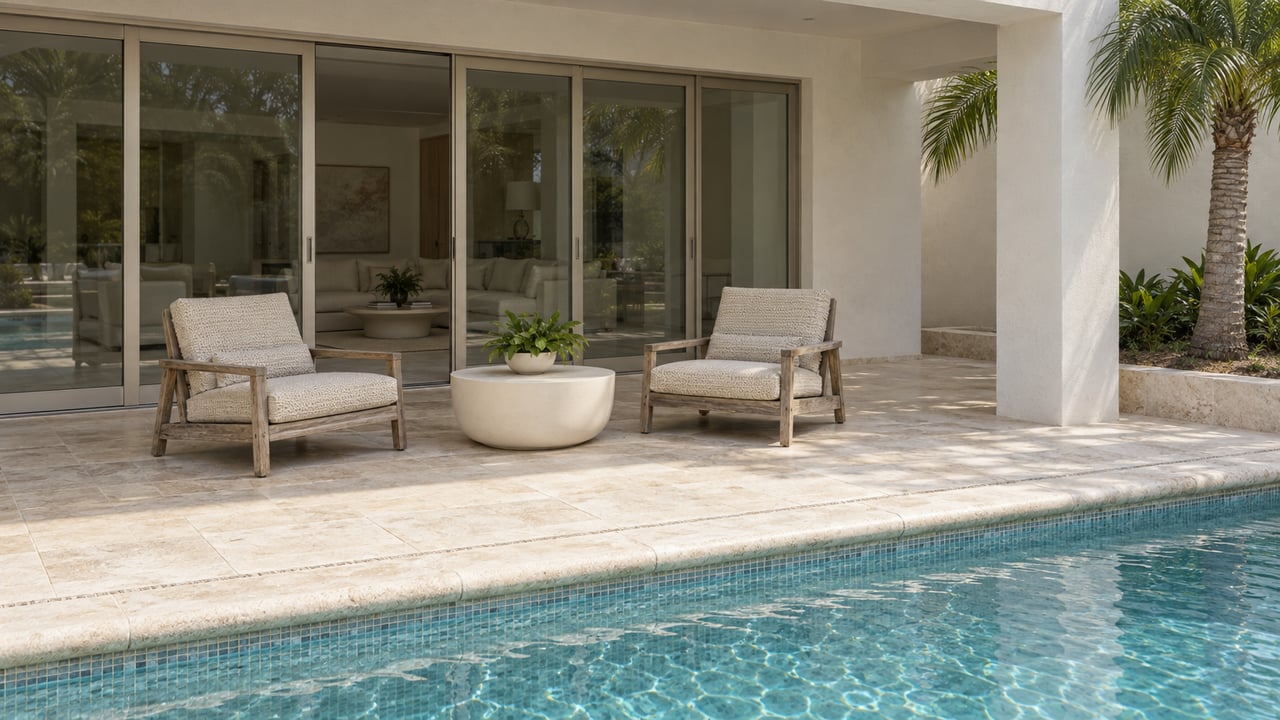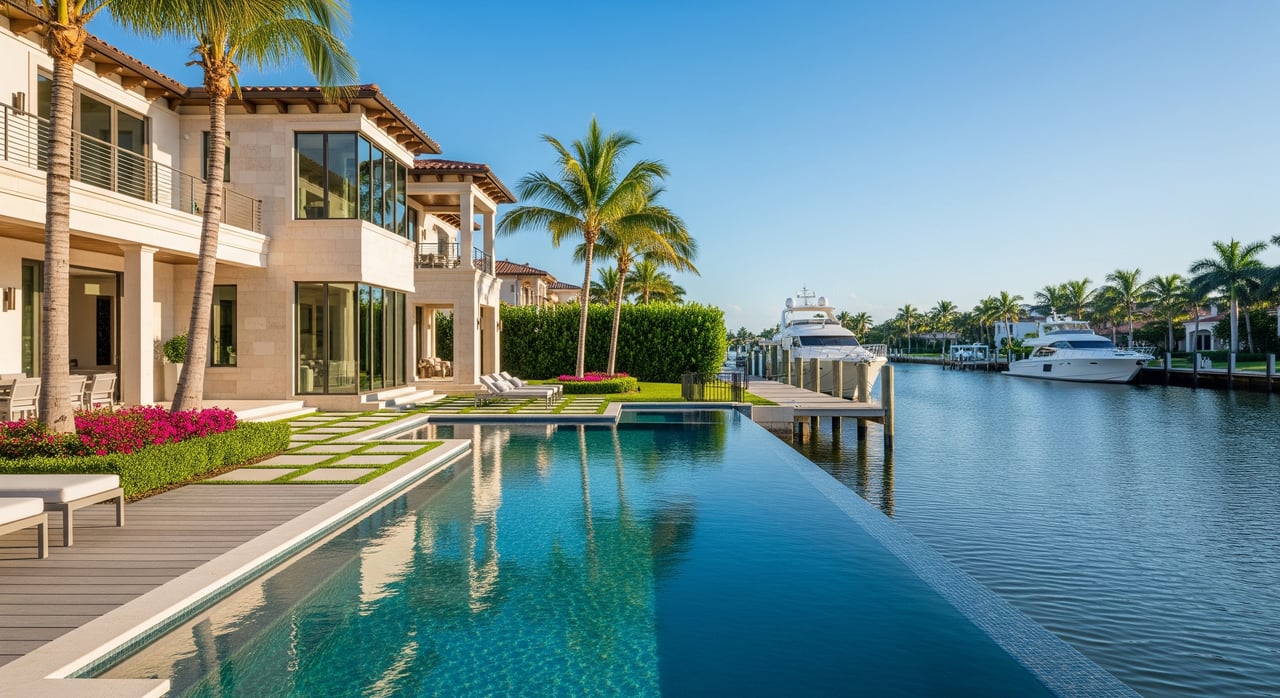
Thinking about listing or buying in Gulf Stream? In this ultra‑luxury, low‑inventory market, timing is often the difference between a quiet season and a competitive sale. You want a plan that respects privacy, aligns with the winter social calendar, and anticipates waterfront due diligence. In this guide, you’ll learn how seasonality shapes listings, showings, buyer presence, and pricing in Gulf Stream, plus clear timelines for your next move. Let’s dive in.
Why timing matters in Gulf Stream
Gulf Stream is a micro‑market where buyer availability drives sales more than broad national trends. Inventory is scarce, comparable sales are infrequent, and many transactions happen privately. That means the calendar, travel patterns, and the local social season matter.
High privacy expectations also shape how activity unfolds. Appointment‑only showings, broker previews, and selective outreach are common. A well‑timed week can produce several high‑quality showings from serious buyers, while a poorly timed campaign can sit quietly until the right people are in town.
Winter season drives demand
Listing activity peaks
Many sellers aim to launch in late fall so they are fully visible by November. This puts their properties in front of the largest pool of high‑net‑worth buyers who come for the winter season. If you must list outside winter, you may trade quicker exposure for a longer runway or use private marketing.
Showings and buyer presence
Showings concentrate during the winter social season. You see more broker previews, weekend appointments aligned to travel schedules, and strong interest in twilight and lifestyle photography that showcases waterfront living. When seasonal buyers are in town, showings and offers can escalate quickly. When they depart, activity slows.
Buyer types and motivations
- Winter: seasonal residents, East Coast and Northern buyers, and international clients timing trips for the social season. Many seek second homes, proximity to clubs, and waterfront amenities.
- Late spring to summer: local full‑time buyers and value‑focused purchasers. Some favor negotiation leverage, delayed closings, or planning around hurricane season.
- Transitional months: late fall and early spring can blend seasonal visitors with local buyers, offering an effective window if your listing is ready.
Off‑season strategy that still works
If you are a seller
Off‑season campaigns can perform with the right approach. You may face thinner buyer traffic, yet motivated purchasers are still present. Consider targeted private outreach, match pricing to the available buyer pool, and use the extra time to perfect presentation and complete pre‑listing improvements.
If you are a buyer
You may see fewer active listings in summer, but competition can be lighter. Off‑season is useful if you value negotiation or need time for specialized inspections. If you want the widest selection, plan visits in winter when more properties come to market.
Pricing, comps, and market feel
In winter, strong buyer density and perceived scarcity can support firmer pricing when a property is well‑prepared and expertly marketed. In off‑season, fewer bidders can improve buyer leverage. Because Gulf Stream has few sales, each comparable carries outsized weight. Seasonality also affects which comps exist at the time you price or write an offer, so align your strategy with recent, relevant sales and known off‑market activity.
Seller preparation timeline
Use this lead‑time plan to meet the winter window with confidence.
- 4 to 6+ months before listing: schedule major renovations, structural repairs, and any permitted work. Luxury trades and custom materials require longer timelines.
- 8 to 12 weeks before listing: plan staging, declutter, refresh landscaping and pool areas, and secure staging furniture and vendor dates.
- 4 to 6 weeks before listing: complete professional photography, including drone and twilight, floor plans, and virtual tour assets.
- 1 to 2 weeks before listing: host broker previews, send targeted invitations, and finalize showing protocols for privacy and access.
Tip: To capture winter buyers, many sellers aim to list in early fall so campaigns are fully live by November.
Tactical listing windows
- Primary window: early November through mid‑April. This period typically brings the highest buyer density and showing volume.
- Secondary windows: late September to October for pre‑season visibility with less competition, and late April to June when some buyers remain active but the market is less crowded.
- Holiday weeks: consider how buyer travel affects showings. Well‑priced, well‑marketed properties can still sell through the holidays because those buyers are often serious.
Buyer planning checklist
- 2 to 3 months before a winter visit: coordinate travel dates with your agent and secure proof of funds or pre‑approval if using financing.
- During visits: schedule concentrated showings, review title and flood documentation, and line up inspectors or surveyors who can act quickly.
- Due diligence: waterfront properties often require additional review of seawalls, docks, elevation certificates, and flood insurance options. Build that time into your plan.
- Off‑season: expect fewer listings but also fewer competing buyers. Consider virtual tours and targeted visits aligned to available inventory.
Waterfront due diligence and closing timing
- Seawall and marine inspections: assess seawalls, bulkheads, docks, and erosion. Marine specialists can be in high demand, so book early.
- Flood risk and insurance: confirm elevation certificates and coordinate with insurers at the start of your process. Underwriting can affect timing.
- Title and survey: verify easements, riparian rights, and dock permits, which can involve added municipal checks.
- Seasonal risk planning: hurricane season runs roughly June through November. If possible, avoid critical dates during peak months or include contract contingencies for storm‑related delays.
Privacy and marketing that fit Gulf Stream
Balancing exposure and discretion
Expect vetted appointments and a curated release of information. Off‑market options, selective broker outreach, and invitation‑only events help you reach qualified buyers while preserving privacy. Password‑protected assets and tight showing windows are normal practices.
Seasonal marketing and imagery
In winter, highlight outdoor living, boating, and the social calendar. Twilight photography and lifestyle video can be especially effective. Off‑season, lean into value, renovation potential, and immediate availability.
International and financing considerations
International buyers often align travel to the winter months. Currency timing and tax posture can influence speed and structure. Cash purchases are common at the ultra‑luxury level. If you plan to finance, start underwriting early and allow additional time for documentation.
What this means for your next move
If you can choose your timing, align with winter. That is when more qualified buyers are present, showings concentrate, and competition can lift outcomes. If you need to act sooner, a private, targeted strategy and meticulous preparation can still deliver strong results. Whether you are listing or buying, build in the lead times, inspections, and privacy protocols that Gulf Stream demands.
Ready to map the right window for your goals? Request a discreet, strategy‑first plan with The Olive Belcher Team.
FAQs
When is the best time to list in Gulf Stream?
- The broadly preferred window is November through April when buyer density and broker activity are highest. Many sellers aim to be fully marketed by early November.
How does hurricane season affect Gulf Stream sales and closings?
- Hurricane season runs roughly June through November. Travel slows, some timelines extend, and contracts may include contingencies for storm‑related delays.
Should Gulf Stream buyers wait for summer to get a better price?
- Off‑season can reduce competition and improve leverage, but inventory is thinner. If you want options, winter offers more selection; if you want leverage, summer can work.
How far in advance should I schedule staging and photography for a Gulf Stream listing?
- Engage staging 8 to 12 weeks ahead, photography 4 to 6 weeks ahead, and contractors 4 to 6 months ahead if major work or permits are needed.
Do waterfront properties in Gulf Stream require special inspections?
- Yes. Plan for seawall, dock, and erosion assessments by marine specialists, plus flood risk review, elevation certificates, and dock permit confirmation.
Can I sell privately in Gulf Stream without going on the open market?
- Yes. Off‑market and quiet listings are common in this micro‑market. Selective broker outreach and vetted showings can preserve privacy while reaching qualified buyers.