If you are drawn to Delray Beach, you may be deciding between two very different ways of living in the same city. One centers on private club amenities, estate-style homes, and a more self-contained daily routine. The other revolves around the beach, downtown access, and a setting that feels more spontaneous and connected to the public waterfront. This guide will help you compare both paths so you can choose the version of Delray Beach that fits your lifestyle best. Let’s dive in.
Two Sides of Delray Beach
Delray Beach is a growing city of nearly 70,000 residents, and its public identity is strongly tied to downtown dining, shopping, arts, and the beach. The city highlights its 1.5-mile municipal beach at the east end of Atlantic Avenue, along with Atlantic Dunes Park, as key parts of local life.
At the same time, Delray Beach also includes a separate pattern of living farther from the shore. In these areas, daily life often centers on private recreation, resident services, and a more structured social calendar. For many buyers, the real question is not just where to live, but how you want your everyday routine to feel.
Country Club Living in Delray Beach
Country club living in Delray Beach is usually built around convenience, privacy, and on-site amenities. Instead of planning your day around public destinations, much of your routine may happen within the community itself.
Communities in this category often offer a broad mix of recreational and social features. Based on the club information provided in the research, that can include golf, racquet sports, fitness, dining, wellness amenities, and resident programming.
What the Club Lifestyle Looks Like
Delaire describes a community with 325 residences on 340 acres, along with 24/7 on-site security and paramedic services. It also highlights walk-on golf with no tee times, tennis, pickleball, dining, wellness, and custom-home or high-end remodeling options.
Addison Reserve presents another version of this lifestyle. Its membership materials describe three 9-hole championship golf courses and a larger amenity package that includes tennis, pickleball, padel, bocce, basketball, spa, fitness, aquatics, and family amenities.
These details point to a lifestyle that is highly organized and amenity-rich. If you value a predictable rhythm and like the idea of recreation, dining, and social activity close to home, this setting may feel like a strong match.
Architecture and Residential Feel
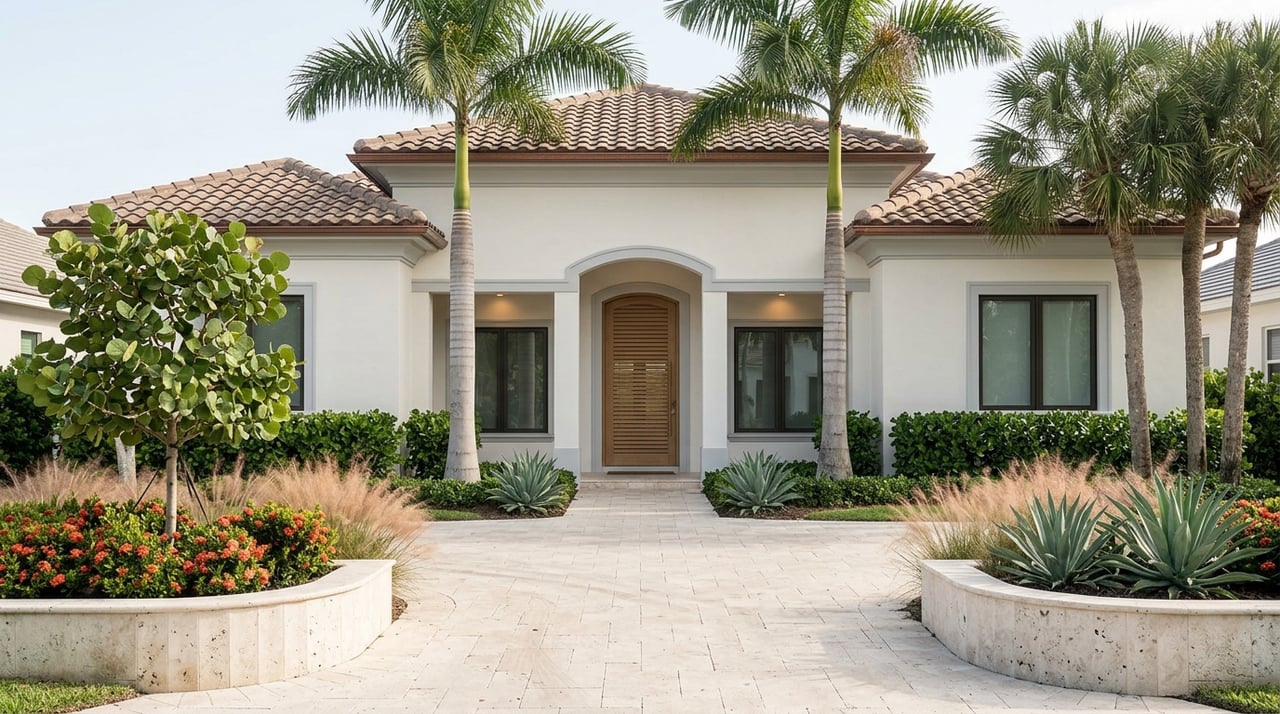
In Delray Beach club communities, the residential character tends to feel more estate-oriented than urban. Delaire emphasizes timeless design, custom homes, and a builder program, while Addison Reserve describes a Mediterranean style influenced by Addison Mizner.
That typically appeals to buyers who want a home that feels substantial, private, and closely tied to the overall identity of the community. The architecture is often part of the lifestyle decision, not just the property decision.
Membership and Daily Use
One of the most important practical questions is whether club participation is required. Delaire states that all property owners participate in its Resident Opportunity, and Addison Reserve offers membership tied to resident use of the club, including Full Golf and Partial Golf categories with access to all non-golf amenities.
That means buyers should review the structure of each community carefully before making a decision. If club access is central to your goals, that can be a major advantage. If you prefer fewer ongoing obligations, it is worth understanding the membership framework in detail.
Coastal Living Near the Beach
Coastal and near-beach living in Delray Beach offers a very different experience. Here, the appeal is less about a private internal system and more about proximity to the public beach, the Atlantic Avenue corridor, and the energy of downtown.
For many buyers, this side of Delray is about ease and access. You may be looking for mornings by the ocean, casual trips into town, and a lifestyle that feels walkable or rideable rather than club-centered.
The Beach and Downtown Connection
The city says Delray Municipal Beach sits at the east end of Atlantic Avenue and includes parking, bicycle racks, showers, beach access mats, and beach wheelchairs. The city also notes that the beach has Blue Flag status through April 30, 2027, and that Delray Beach has two public beaches: the Municipal Beach and Atlantic Dunes Park.
That public access shapes daily life in a practical way. If you want to begin the day at the shoreline and end it with dinner or shopping downtown, the east side offers that direct connection.
Transportation and Parking Considerations
Near-beach living comes with a different set of logistics than club living. The city’s Freebee service covers most of the area east of I-95 to A1A and from Gulfstream Boulevard to SW 10th Street, which can help with short local trips.
Parking downtown is public but limited, with garages, lots, and on-street spaces. The city also notes that resident downtown permits are not valid on Atlantic Avenue, at the beach, or east of the Intracoastal, and that time limits on Atlantic Avenue parking are intended to keep access open for businesses, restaurants, and shops.
For some buyers, these details are a small tradeoff for being close to the water and downtown. For others, they are a signal that the near-beach lifestyle works best if you are comfortable with a more public, active environment.
Historic Character and Design Review
The east side of Delray Beach is more historically layered and more tightly regulated in certain areas. The city identifies five local historic districts, including Del-Ida Park, Marina, and Nassau Park. Nassau Park is the only historic district east of the Intracoastal Waterway, and the Marina district is tied to East Atlantic Avenue and the Intracoastal.
The city describes these districts through periods of significance from 1922 to 1943 and notes architectural influences that include Mizner-era design, cottages, low-scale development, and single-family and multi-family residential patterns. Downtown regulations in the Central Business District also aim to preserve the city’s cultural and historic character while guiding scale and style.
If you are considering a property in a historic district, exterior alterations and demolition may require city review and a Certificate of Appropriateness. That does not make ownership harder by default, but it does mean you should understand the approval process before planning major exterior changes.
Flood and Insurance Diligence Matters
For coastal buyers in particular, flood-zone research is an important part of due diligence. Palm Beach County says updated FEMA flood maps that took effect on December 20, 2024 added thousands of eastern-county residents to high-risk flood zones.
The county also states that all county residents live in a flood zone and that windstorm insurance does not cover flood damage. Buyers are advised to confirm flood information with an official flood-zone determination before purchase or construction.
This does not mean a near-beach purchase is the wrong choice. It means that coastal ownership should be evaluated with clear information about flood exposure, insurance needs, and property-specific conditions.
Which Delray Beach Lifestyle Fits You?
If you are deciding between country club and coastal living, it helps to think about what you want your week to look like, not just what you want your address to be. Delray Beach offers both a private, amenity-driven pattern and a public-facing, beach-and-downtown pattern.
Country club living may suit you if you want:
- Golf, racquet sports, fitness, and dining close to home
- A more structured social environment
- Greater emphasis on privacy and on-site services
- Estate-scale homes and a controlled residential setting
Coastal or near-beach living may suit you if you want:
- Quick access to the beach and waterfront amenities
- Proximity to Atlantic Avenue dining, shopping, and arts
- A more spontaneous day-to-day routine
- Historic character or a more layered neighborhood setting
There is also a middle ground. The Seagate presents a hybrid model with Beach Club, Resort, and Sport & Social memberships that include beach service, dining, fitness, racquet sports, valet parking, and yacht-club access. For some buyers, that blended approach can offer both coastal access and club-style convenience.
A Practical Way to Decide
When buyers feel torn between these two lifestyles, the best next step is often to compare them through your own habits. Think about whether you want your social life to be built into your community or whether you prefer to move between home, beach, and downtown more freely.
Also consider how much structure you want in your ownership experience. Club communities may involve membership participation and a more managed environment, while coastal areas may require more attention to parking, flood diligence, or historic review depending on the location.
In a market like Delray Beach, the right fit is usually less about which option is better and more about which one feels more natural for the way you want to live. If you want help evaluating Delray Beach’s coastal and club-oriented options with a discreet, high-touch approach, The Olive Belcher Team is here to help.
FAQs
Is country club membership mandatory in all Delray Beach club communities?
- Not every community is structured the same way, but the research shows that Delaire requires all property owners to participate in its Resident Opportunity, and Addison Reserve ties membership to resident use of the club.
How does parking work near downtown Delray Beach and the beach?
- The city says parking is public and limited, with garages, lots, and on-street spaces, and resident downtown permits are not valid on Atlantic Avenue, at the beach, or east of the Intracoastal.
What should coastal buyers in Delray Beach know about flood zones?
- Palm Beach County says all county residents live in a flood zone, updated FEMA maps took effect on December 20, 2024, and buyers should confirm flood information through an official flood-zone determination before purchase or construction.
Can you change a home’s exterior in a Delray Beach historic district?
- In some cases, yes, but the city says exterior alterations and demolition in historic districts may require review and a Certificate of Appropriateness.
What is the main difference between country club and coastal living in Delray Beach?
- In simple terms, country club living is usually more private and amenity-driven, while coastal living is more connected to the beach, downtown, and a less structured daily routine.