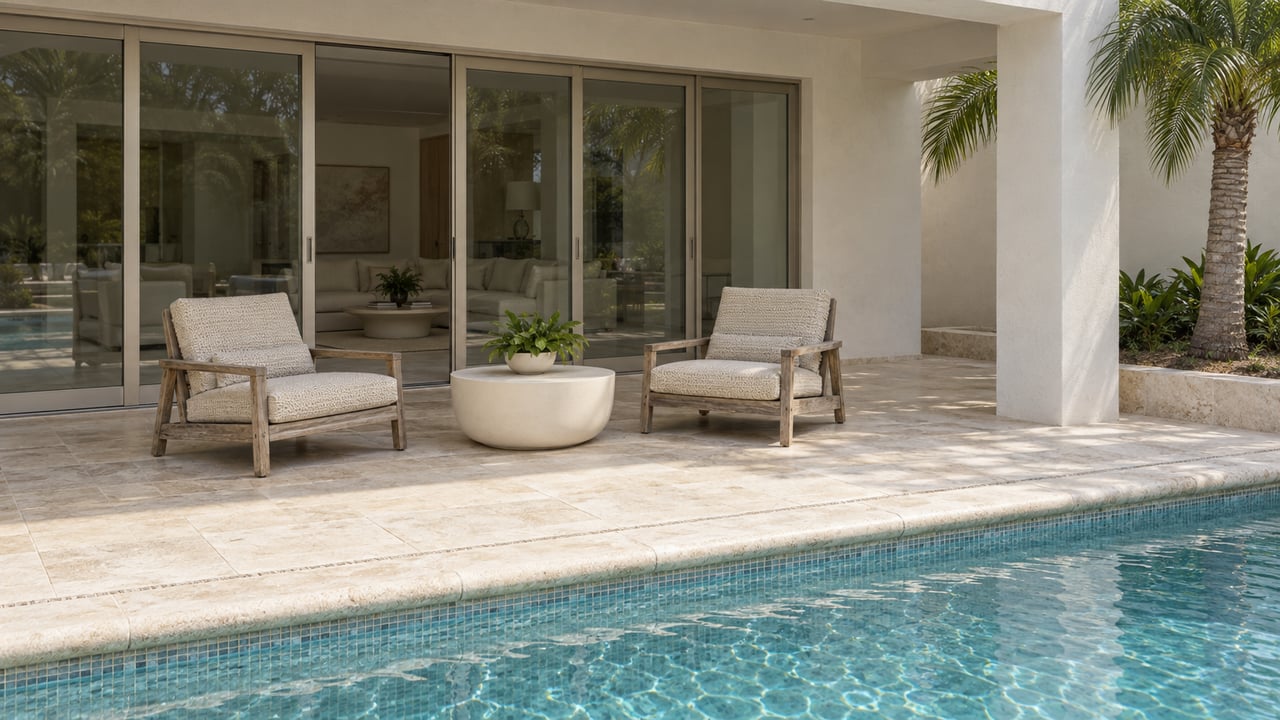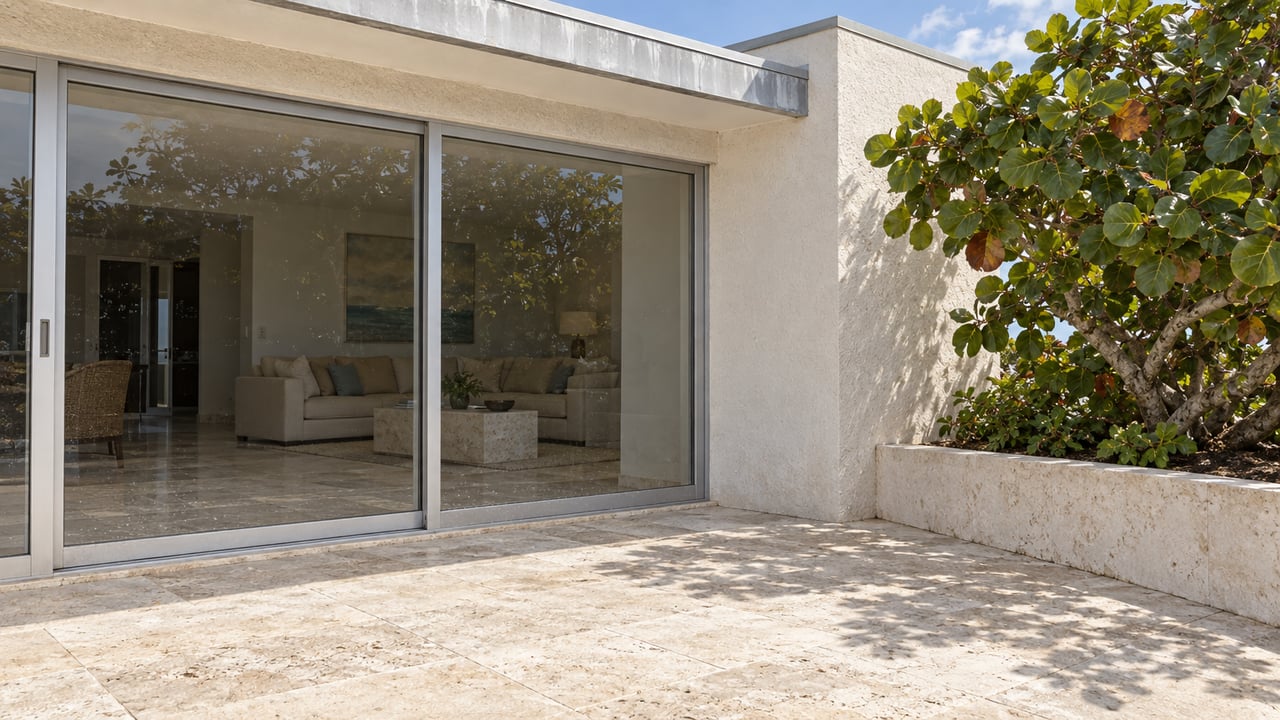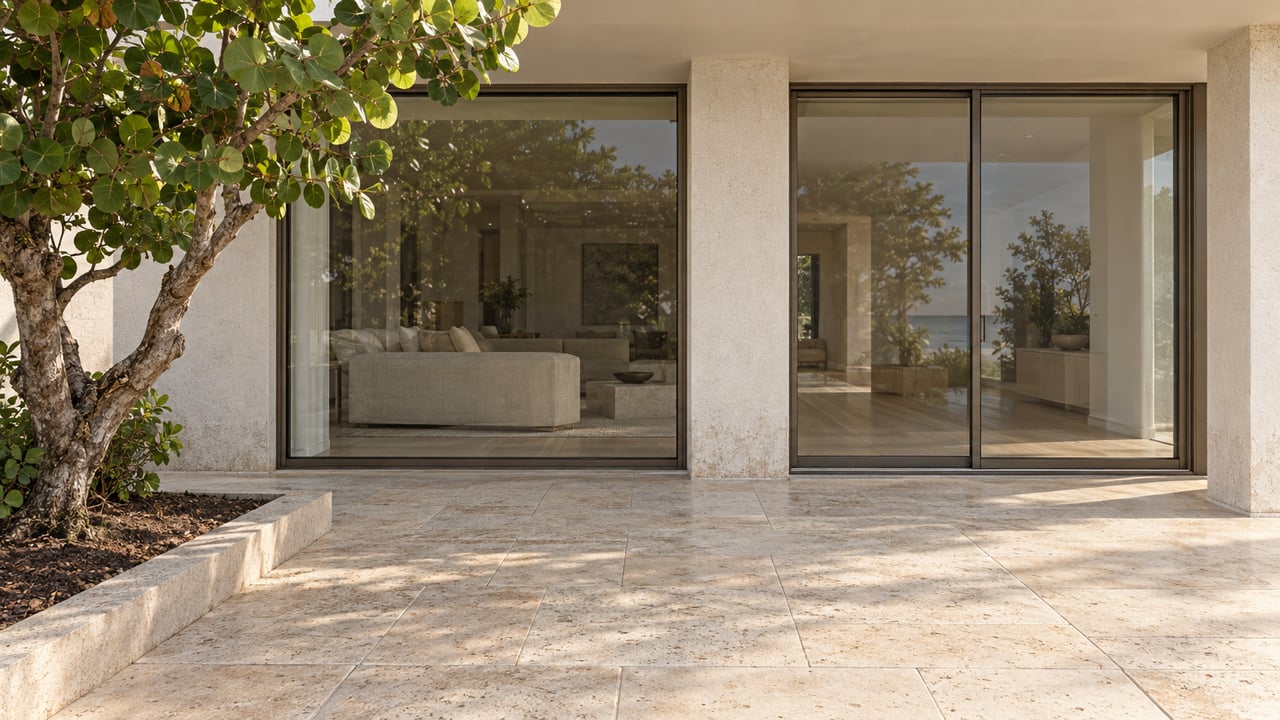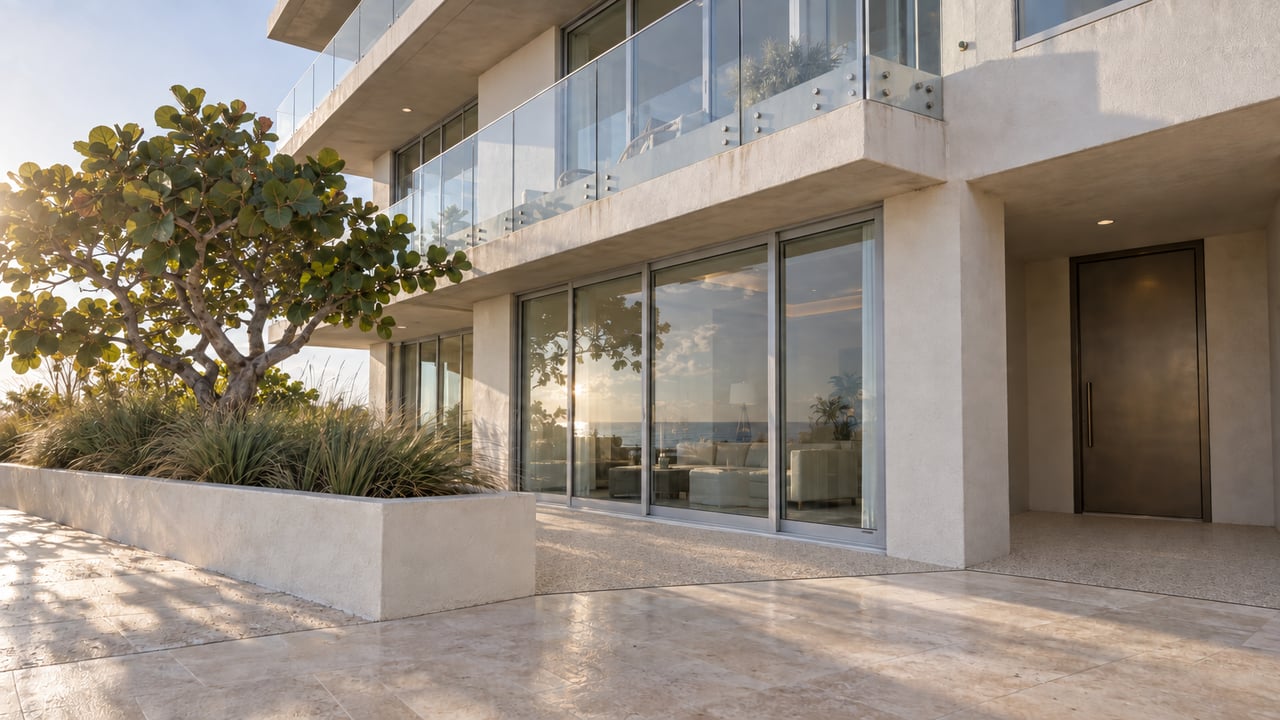
According to Citizen Portal, Highland Beach Building Official Jeff Ramos told the town's planning board on June 11, 2026: "There was an absolute prohibition, no construction east of the coastal construction control line." He wasn't describing a new restriction. He was describing one that has been in the town code and has started catching lots it was never written to catch.
For anyone buying, selling, or rebuilding oceanfront property in Highland Beach right now, that sentence is worth sitting with. A state permit from the Florida Department of Environmental Protection has never been the only approval that matters here. According to Citizen Portal, the town's own building code has an independent say, and that code has said no to anything east of the Coastal Construction Control Line, full stop, even when the state had already said yes.
A conflict nobody wrote on purpose
The Coastal Construction Control Line is not a wall or a setback. According to Florida's Department of Environmental Protection, the line marks the point along the state's sandy beaches where a 100-year storm event is expected to reach, based on coastal engineering models, survey work, and bathymetric data. It is a jurisdictional marker that tells the state where its own permitting authority over construction begins. Landward of the line, DEP has no say. Seaward of it, a property owner needs a state permit before building, adding on, or rebuilding.
Highland Beach's building code never described it that way. Section 6-127(d), the seawall provision buried in Chapter 6 of the town's ordinances, uses the phrase "in no event" to bar structures east of the line entirely, with no path to a variance. When that language was adopted in 1979, it may have lined up neatly with where the CCCL sat at the time. It doesn't anymore. The line has moved west over the decades, the natural result of a mapping standard that gets revisited as shoreline conditions change, and lots that were once comfortably landward of it are now, on paper, seaward of it. The town's own zoning code in Chapter 30 was never updated to match, so for years the building department has been enforcing two chapters that disagree with each other, and the stricter one has been winning.
The practical result, as staff explained it to commissioners in May 2026, is that some oceanfront lots and portions of the public right-of-way have been rendered technically unbuildable by the town's own rule, even in cases where DEP had already reviewed and approved the exact same project.
The timeline, and where it stands today
This isn't a hypothetical the town might get around to. It's an active rulemaking process with a specific ordinance number and a specific date left on the calendar.
| Date | Action |
|---|---|
| May 13, 2026 | Town Commission directs staff and legal counsel to reconcile the Chapter 6 seawall language with the Chapter 30 zoning code |
| June 11, 2026 | Planning Board recommends the fix on a 4 to 1 roll-call vote, with instructions to default to state and FEMA flood standards rather than write a new local elevation rule |
| September 1, 2026 | Commission strikes contested Design Flood Elevation and lowest-living-floor language from the draft, narrowing it to CCCL-only fixes |
| October 20, 2026 | NewsBreak reports that the second reading of Ordinance No. 2026-003 is scheduled for that date, with further discussion and public comment |
Ordinance No. 2026-003, as it now stands, removes the prohibition and defers to the state's CCCL permit as the operative standard, while still requiring full compliance with town zoning, the Florida Building Code, and floodplain rules. It does not touch dune construction standards, breakaway wall rules, or finished floor elevation. Those issues were deliberately pushed into a separate ordinance the town says will get its own round of public input later. The October 20 hearing settles one half of a two-part problem. The other half is still being written.
What this means if you're transacting now
If you are looking at a raw oceanfront lot, an older home slated for a teardown, or a property that needs storm repair on the seaward side, the state permit you'd normally treat as the finish line has not, until this ordinance clears, guaranteed you a local building permit in Highland Beach. A DEP approval and a town approval have been two separate hurdles, and the second one has occasionally been higher than the first.
That gap is closing, but it isn't closed. Anyone under contract, negotiating a purchase, or timing a rebuild around this fall should treat the October 20 second reading as a real date, not a formality. Until it passes, the town's building department is still working under code language that staff itself has described as a standard stricter than the state's, one that has resulted in permits being rejected despite valid state approval.
Sellers of affected property carry a separate obligation that this local ordinance doesn't change. Florida law, under Section 161.57, requires anyone selling land affected by the CCCL to disclose that fact to the buyer, either in the purchase contract or a separate written instrument, and to provide an affidavit or survey showing where the line falls on the property. Sellers frequently negotiate a waiver of that requirement into the contract, which shifts the job of locating the line onto the buyer. That disclosure rule exists whether or not Highland Beach finishes reconciling its own code, and it is worth confirming separately from any conversation about the town's ordinance.
The part that isn't finished yet
It would be easy to read Ordinance No. 2026-003 as the town closing the book on coastal construction rules. It closes one chapter. The commission has explicitly said that dune protection standards, breakaway wall requirements, and finished floor elevation will be handled in a future ordinance, with more public hearings to come. Anyone planning a build timeline that extends into next year should expect at least one more round of town rulemaking on top of this one, and should ask their contractor or architect what, if anything, has already been submitted to DEP under the current framework before assuming a second wave of local rules will apply retroactively.
A few direct questions
Does this only affect vacant lots, or existing homes too? The conflict applies to any structure proposed east of the CCCL, which includes additions, rebuilds after storm damage, and new construction on vacant oceanfront parcels, not just raw land.
If I already have a DEP permit, am I clear to build before October 20? Not necessarily. The town's existing code section 6-127(d) has not been repealed yet. Until the second reading passes, the local prohibition staff described to the planning board remains on the books.
Does the CCCL disclosure law disappear once the town fixes its code? No. Florida's Section 161.57 disclosure requirement is a state statute tied to the location of the CCCL itself, separate from any local zoning ordinance. It applies to sales of affected property regardless of what Highland Beach does with Chapter 6.
Where can I confirm whether a specific lot falls seaward of the CCCL? The Florida Department of Environmental Protection maintains a mapping tool for locating the line on a specific parcel, and the department's site includes guidance built specifically for buyers and real estate professionals confirming CCCL status ahead of a purchase.
If you're weighing an oceanfront purchase, a rebuild, or a listing in Highland Beach while this ordinance works through its final steps, The Olive Belcher Team can help you sort out what's already settled from what's still in motion. Request a Private Consultation to talk through the timing on your specific property.
This article is general information, not legal, tax or financial advice. Consult a qualified professional about your situation.