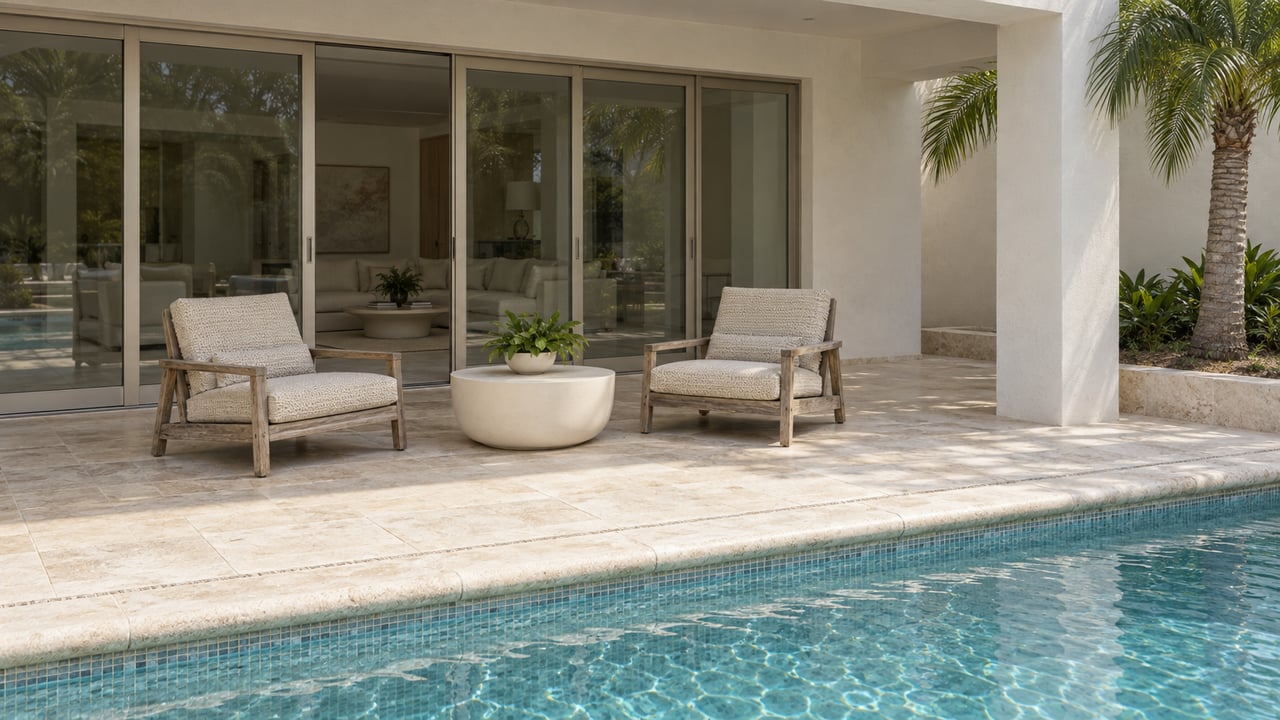
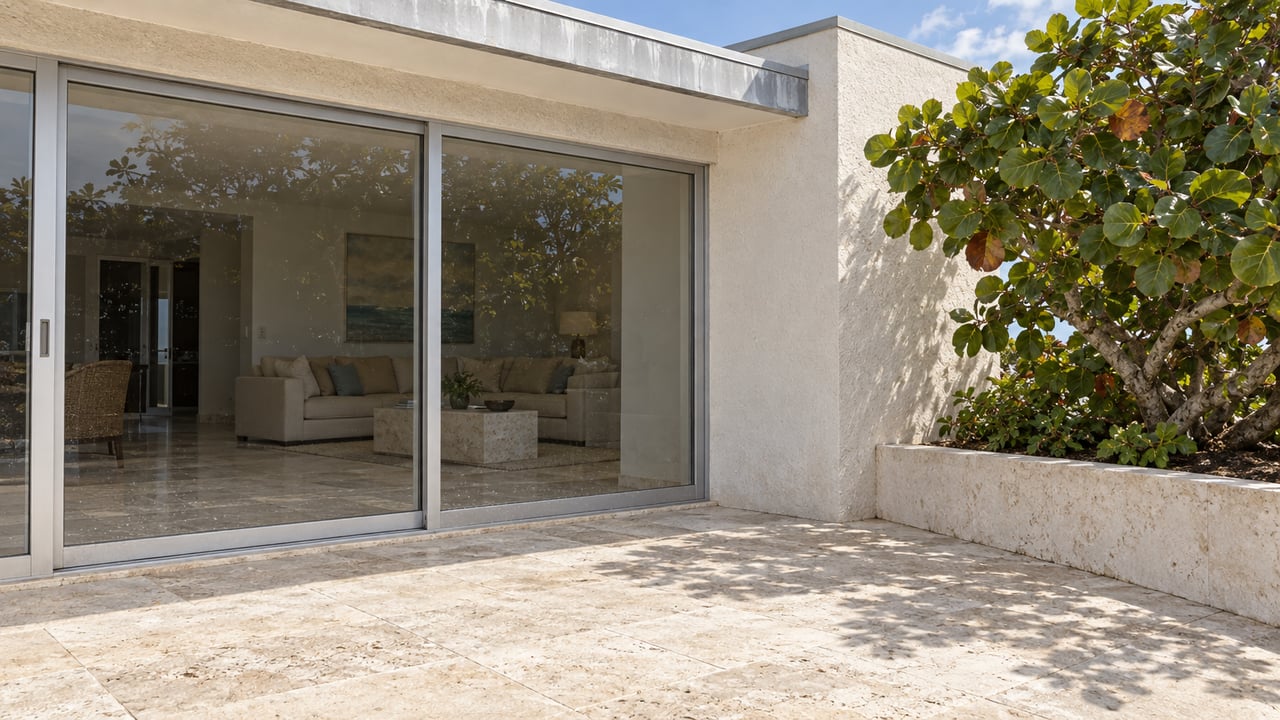
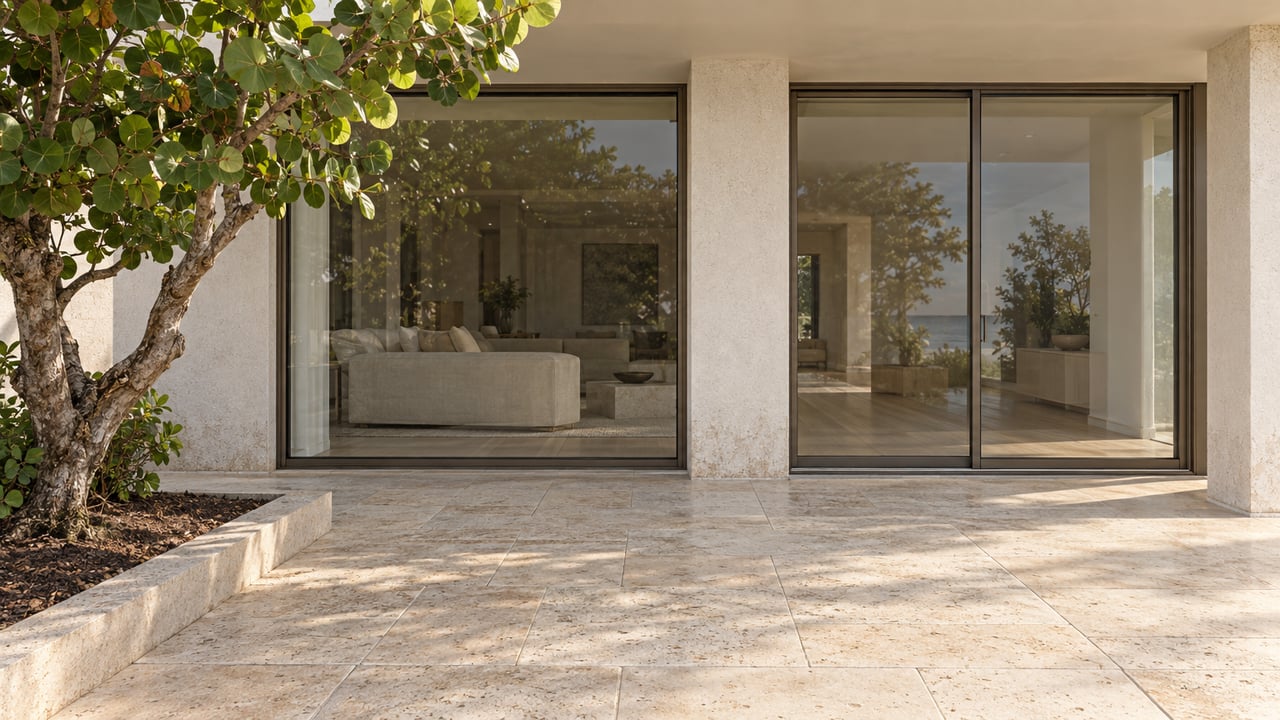
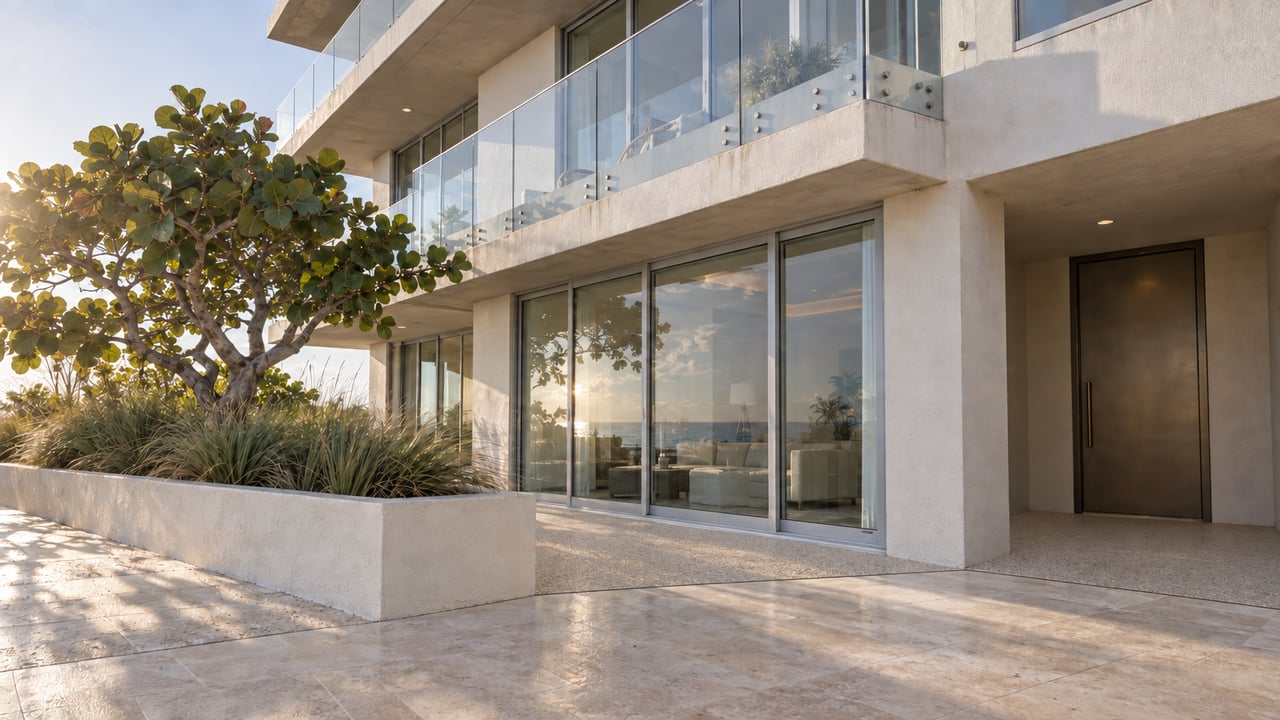
An ocean view should feel effortless, not exposed. If you are considering a waterfront estate in Gulf Stream, you want to enjoy the Atlantic horizon and sea breeze without sacrificing comfort or discretion. The good news is you can plan for both. In this guide, you will learn how to evaluate view corridors, privacy, and long-term design options before you buy, so your home lives beautifully on day one and for years to come. Let’s dive in.
Why Gulf Stream views are unique
Gulf Stream’s setting between the Atlantic and the Intracoastal Waterway creates rare exposure to light, water, and wind. It also comes with rules that shape what you can build, where you can plant, and how your sightlines will evolve over time.
- Local building and land-use rules. The Town of Gulf Stream and Palm Beach County regulate setbacks, height limits, fences, tree work, and coastal construction. Many properties also fall under design review or association standards that control exterior changes. Always confirm these details before you assume a change is possible.
- Coastal-specific controls. Florida’s Coastal Construction Control Line and related coastal permits can move structures inland or require elevation. FEMA flood zones and Base Flood Elevations can lift living levels, which may improve views while exposing decks and balconies to neighboring sightlines and wind.
- Beach access and easements. Public access points, rights-of-way, and lateral beach easements direct foot traffic near private yards. Recorded conservation or drainage easements may also limit where you can plant or screen.
- Tree and shoreline protection. Certain specimen trees and mangroves are protected and often require permits to trim or remove. These rules can preserve natural screening but also limit changes.
- Climate and sea-level context. Storm surge, wind, and long-term sea-level rise should inform how you place windows, choose materials, and plan screening that will endure. Review current flood maps and regional planning resources when assessing long-term options.
Evaluate the site on your visit
A thoughtful site walk will reveal most view and privacy opportunities, along with risks you can design around.
Orientation and sun path
On Florida’s east coast, the ocean is to the east. Morning light arrives from the water side and afternoon sun comes from the west. If you want an open ocean view with comfortable interiors, prioritize main living spaces facing east, then manage heat and glare with shade and selective screening. For private outdoor lounging, consider zones that are not exposed to the most obvious neighbor views.
Lot shape and placement
Lot width and the distance to neighbors dictate side-to-side sightlines. Narrow lots tend to have more lateral exposure, while wider estates allow for layered planting between homes. Corner parcels face two public frontages and may need a different mix of low walls, hedges, and architectural screening compared with mid-block sites. Oceanfront settings often feel open to water activity, while Intracoastal or canal locations can invite boater views and dockside traffic.
Elevation and topography
Even small grade changes shift privacy. Elevated living floors, common in flood zones, improve vistas but can place terraces in a neighbor’s line of sight. Plan for privacy balustrades, angled openings, or recessed balconies on upper levels while using more enclosed courtyards at ground level for intimate use.
Neighbors and vantage points
Study the massing of adjacent homes, their second-story terraces, and rooftop decks. Note any direct window-to-window alignment. Ask about pending permits nearby to understand if a future addition could affect your sightlines. Also consider views from streets, beach paths, marinas, or shared docks that may give passersby a look into your yard.
Vegetation and visual corridors
Not all coastal plants screen the same way. Palms add height and texture but provide little lateral privacy. Dense evergreen hedges, live oaks, and layered shrubs create consistent coverage. Identify primary view corridors, such as a gap between homes that frames the ocean. You may not need a panorama to feel connected to the water if a framed view reads as intentional and serene.
Time-of-day and seasonal checks
Visit in the morning, afternoon, and early evening. Look for glare, shadows, and reflections. Observe when neighbors use their decks, and notice how their lighting affects your privacy at night. Seasonal variations in sun angle can change how rooms feel and how visible you are after sunset.
Practical techniques on site
- Walk the entire perimeter and, with permission, view from upper levels.
- Use a rangefinder or tape to note distances to neighboring windows and terraces.
- Take photos from key positions and annotate sightlines and sun angles.
- Verify setbacks, drainage and utility easements that limit where you can place screens.
- Inspect seawalls and docks and note any shared access that affects privacy.
Records that affect view and privacy
Paperwork matters as much as walking the lot. The right documents tell you what you can protect, add, or change.
Easements and covenants
Utility, drainage, access, or conservation easements can cross a lot and limit plantings or structures. Some restrictions require vegetation to be trimmed for access. In rare cases, recorded view easements protect sightlines by limiting development on a neighboring parcel. Confirm whether any easements benefit you or burden you.
Zoning, setbacks, and height
Zoning controls building size, height, and how close you can build to property lines. In coastal areas, there may also be special setback lines that restrict building seaward. These rules shape where windows, terraces, and privacy elements can sit and how nearby homes can grow.
Tree and mangrove protection
Protected trees and mangroves are valuable for privacy and shoreline stability, but they are regulated. Removal or trimming usually needs permits and mitigation. Treat them as a long-term asset and plan care with professionals.
Associations and design review
Where associations or architectural boards exist, they often govern fences, hedge heights, and exterior finishes. These standards can support cohesive privacy solutions but may add approval steps. Ask for the most recent rules and any landscape guidelines.
What to search before you offer
- A recent survey showing lot lines, setbacks, and easements.
- Full title search for easements, covenants, and restrictions.
- Local zoning and height limits for your parcel and neighbors.
- FEMA flood maps and any recorded elevation certificates or permits.
- Prior permits for seawalls, docks, major tree work, or exterior changes.
Design strategies that work here
Once you understand the site and the rules, you can balance privacy, light, and ocean exposure with targeted design.
Layered landscape screening
Use a three-part approach: low berms where allowed, dense evergreen hedges, and select taller trees. Layering creates depth, blocks sightlines at eye level, and softens sound. Favor salt and wind-tolerant species and consider native plants for resilience and easier approvals. Avoid relying only on palms for privacy.
Berms and gentle grade
Small berms can raise the effective height of a screen without tall walls. Coordinate with drainage plans and avoid encroaching on easements. Pair berms with shrubs to create a natural, low-maintenance buffer.
Architectural screens and glazing
Louvered panels, decorative screens, and brise-soleil elements can shield private spaces while letting breezes and light pass. Frosted or translucent glass in targeted areas protects bathrooms or stair halls without making rooms dark. High horizontal or clerestory windows bring in sky and ocean light while limiting lines of sight into bedrooms or quiet lounges.
Vertical separation and outdoor living
Use two outdoor zones when elevation raises living areas. Create a private, screened ground-level courtyard for daily use. Reserve upper terraces for long views, adding partial screens, planters, or glass railings with a frosted lower band to reduce exposure.
Fences and walls that fit code
Front yards often require lower, more transparent solutions, while rear yards may allow taller privacy options. Choose corrosion-resistant materials and designs that allow airflow to reduce wind loads. Confirm heights and materials with the town and any association.
Night lighting and shades
Light can reveal as much as it hides. Use shielded, warm-color exterior fixtures aimed downward to prevent spill. Inside, motorized shades offer instant privacy at dusk without changing your architecture. Daylight-responsive controls help balance glare and comfort.
Sound and activity buffering
Dense plantings can dampen street or dock noise. Water features add pleasant ambient sound that masks conversation areas. Plan zones for entertaining and quiet retreat so activity is naturally separated from public-facing edges.
Maintenance and trade-offs
Coastal plants face salt, wind, and storms. Budget for pruning, replacements, and pest care. Recognize the trade-off between privacy and light. Test options with temporary planters or mockups before committing to a permanent screen.
Work with coastal pros
Engage a landscape architect and an architect with Florida coastal permitting experience. They can align design with flood, wind, and erosion realities while preserving the views you value.
Buyer checklist for Gulf Stream
Use this quick reference as you compare properties.
Essential checks before an offer
- Survey: recent, with setbacks and easements clearly marked.
- Title: easements, covenants, and any view-related instruments.
- Zoning: height and setback rules for the subject and adjacent lots.
- Flood data: FEMA maps, Base Flood Elevations, and elevation certificates.
- Records: permits for docks, seawalls, and tree work or removals.
On-site evaluation checklist
- Walk perimeter and upper levels to map direct sightlines into key rooms.
- Identify neighboring decks, rooftop terraces, and large windows; measure clear distances.
- Visit morning and evening to assess glare and nighttime visibility.
- Inspect existing landscaping for species, density, health, and root constraints.
- Note public paths, beach access points, and nearby docks that add vantage points.
Tools to use
- County parcel viewer and aerial imagery for lot lines and massing context.
- Google Earth or oblique imagery to understand roof heights and bulk.
- Sun-path apps to model seasonal sun angles for terraces and glazing.
- FEMA and regional sea-level tools to plan for long-term resilience.
- Local building and association contacts for fence, hedge, and exterior rules.
Red flags to watch
- Neighboring second-story decks or roof terraces with direct lines into your primary living areas.
- Recorded public access or conservation easements along your rear or side yard.
- Pending permits next door that add height or large windows facing your lot.
- Protected trees or mangroves that limit your ability to adjust screening.
- Flood-elevation requirements that force living spaces up without clear privacy solutions.
Next steps
A Gulf Stream estate should give you calm water views and everyday comfort. The right due diligence, paired with smart design, makes that possible. If you want a discreet, informed approach that respects both your lifestyle and the coastal setting, our team can help you evaluate options, coordinate site reviews, and identify off-market opportunities that fit your privacy goals.
Request a private, confidential conversation with The Olive Belcher Team. We combine long-standing local expertise with design-informed guidance so you can buy with confidence.
FAQs
What shapes ocean and Intracoastal views in Gulf Stream?
- Town and county rules, coastal permits, FEMA flood levels, and association standards all influence where structures and screening can go, which affects sightlines and long-term views.
How can I check if a public access easement affects privacy?
- Review the survey, recorded plat, and title documents for access or conservation easements, then confirm with the town or county before making plans for landscaping or fences.
Do I have a legal right to preserve a view?
- There is generally no automatic right to a view; it must be created by a recorded view easement or similar instrument. Zoning and setbacks still limit how neighbors can build.
Will flood elevation rules make my home feel exposed?
- Elevated floors can increase visibility from neighbors, but you can mitigate exposure with recessed balconies, angled windows, partial screens, and private ground-level courtyards.
What landscape strategies provide year-round privacy?
- Layered evergreen hedges, salt-tolerant trees, and strategic berms offer consistent screening. Pair them with shielded lighting and interior shades for nighttime privacy without losing light.