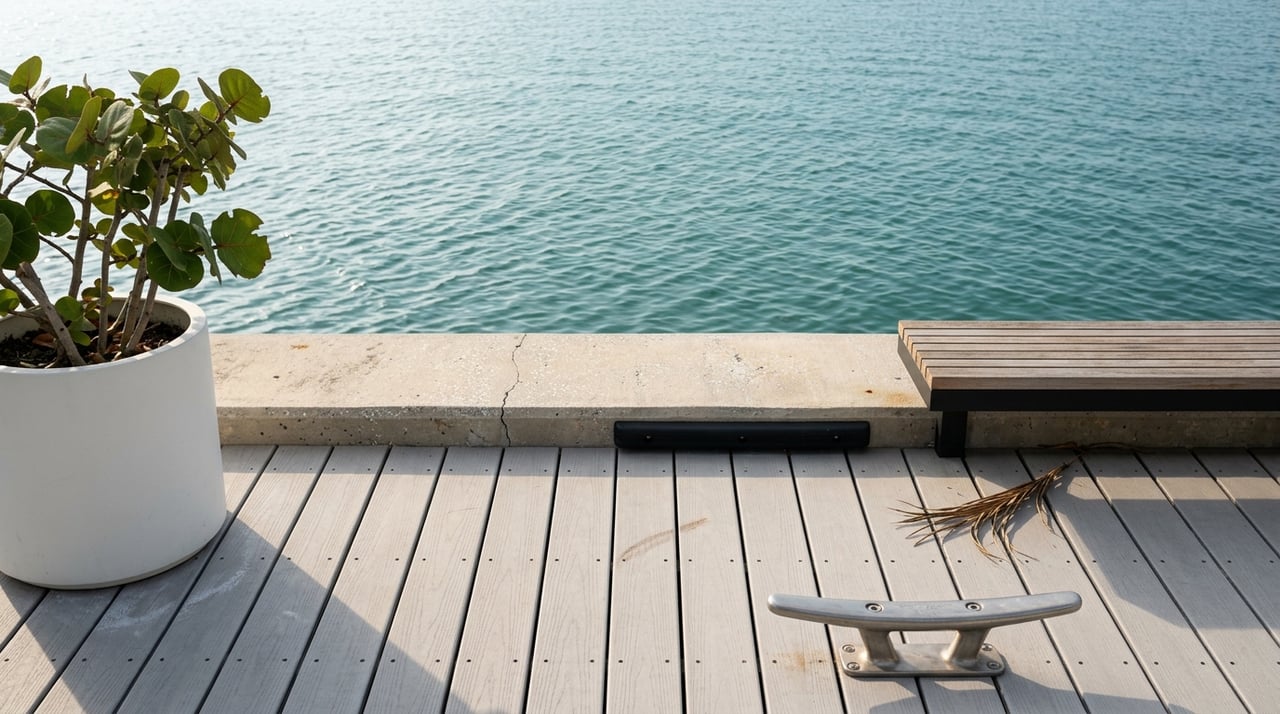
If you are considering Highland Beach, one question shapes almost everything else: do you want the Atlantic Ocean to define your daily life, or do you want the Intracoastal to frame it? In a town this compact and this established, that choice is less about distance and more about how you want to live on the water. The good news is that Highland Beach offers a clear lifestyle split between beach-forward and boating-forward ownership, with important townwide factors to weigh on both sides. Let’s dive in.
Why the Side of A1A Matters
Highland Beach is a narrow barrier-island town in southern Palm Beach County, about 2.8 miles long, with the Atlantic Ocean to the east and the Intracoastal Waterway to the west. State Road A1A functions as the town’s main street, which means many homes and residences are oriented around one of these two waterfront experiences.
Because the town is about 98% built out, your decision is usually about choosing among existing properties rather than waiting for major new development. In practical terms, that makes the side of A1A especially important. You are not just choosing an address. You are choosing how the property connects to the water, views, access, and daily rhythm.
The town’s planning framework includes several residential categories, from single-family and estate to multifamily districts. For most buyers, though, the decision is not about sprawling neighborhood differences. It is more often about whether you want oceanfront living, Intracoastal orientation, or a property that balances both.
Oceanfront Living in Highland Beach
For many buyers, oceanfront ownership is the purest version of coastal living. If your ideal morning starts with direct beach access, Atlantic views, and the sound of the surf, the ocean side is usually the strongest fit.
Highland Beach has a roughly three-mile stretch of beach, and that shoreline is a defining part of the ownership experience. This is the side to prioritize when the beach itself is your main amenity, not just a nearby backdrop.
What Oceanfront Living Feels Like
Oceanfront living tends to center on immediate sand access and an Atlantic-front lifestyle. If you want your home or building to feel directly tied to the shoreline, this side delivers that experience most clearly.
In Highland Beach, beach access is generally a private or association-managed amenity rather than a public-beach model. The town’s comprehensive plan states there were no public beaches at the time of the plan, which is an important practical distinction when you compare properties.
What Oceanfront Buyers Should Consider
Beachfront ownership also comes with added stewardship. Highland Beach’s Sea Turtle Program notes that artificial lighting can deter nesting sea turtles and confuse hatchlings, so lighting is not simply a design decision. It can be part of the day-to-day responsibilities of owning near the beach.
The town’s coastal-management policies also emphasize preserving the beach and dune system, reducing storm impacts, and addressing sea-level rise and chronic flooding. That means oceanfront buyers should look closely at dune protection, storm exposure, erosion-related issues, and how a building or property has been maintained over time.
Intracoastal Living in Highland Beach
If your lifestyle is more boating-first than beach-first, the Intracoastal side often makes more sense. This side tends to appeal to buyers who value water access, dockage potential, and a waterfront setting tied to boating convenience.
In a town as narrow as Highland Beach, the Intracoastal side is not far removed from the ocean in geographic terms. The bigger difference is how you use the water. Instead of immediate sand access, you are often prioritizing navigation, dock access, and a water-facing backdrop.
What Intracoastal Living Feels Like
Intracoastal living is best understood as a water-access lifestyle. You may be drawn to long water views, a boating-oriented routine, or the ease of stepping into a waterfront environment designed around the ICW rather than the shoreline.
The town’s Marine Patrol guidance notes that boating is popular, but motorized and self-propelled watercraft may not launch from the beach. That makes the Intracoastal side especially relevant if your daily waterfront habits revolve around boating rather than beach recreation.
What Intracoastal Buyers Should Consider
Highland Beach will not provide public marina sites, according to the town’s comprehensive plan. In practical terms, that means buyers should think carefully about private dockage, association rules, or off-site marina arrangements where needed.
There are also operating rules that affect the boating experience. The town states that its Intracoastal section is subject to a 25 mph speed limit from October 1 through May 31 for manatee protection, and town policies encourage slower speeds to help reduce wake erosion along canal banks and seawalls.
Oceanfront vs Intracoastal at a Glance
If you are choosing between the two, a simple framework can help clarify your priorities.
| Lifestyle Priority | Oceanfront | Intracoastal |
|---|---|---|
| Primary draw | Direct beach access and Atlantic views | Boating convenience and water access |
| Daily experience | Sand, surf, shoreline orientation | Dockage, navigation, waterfront backdrop |
| Access model | Often private or association-managed beach access | Often dependent on private dockage, association rules, or off-site arrangements |
| Key considerations | Dunes, lighting, storm exposure, coastal restoration | Dockage details, boating rules, seawalls, wake impacts |
For some buyers, the answer is immediate. If the beach is non-negotiable, start on the ocean side. If boating is central to your lifestyle, start on the Intracoastal side.
What Both Sides Share
One of the most important things to understand about Highland Beach is that coastal due diligence matters across the entire island. It is easy to assume the ocean side carries all the risk questions, but the research shows that is not the full picture.
Palm Beach County states that updated FEMA flood maps became effective on December 20, 2024, and that all county residents live in a flood zone and are encouraged to obtain flood insurance. For Highland Beach buyers, flood risk is not a niche issue. It is a market-wide issue.
Flood Zones Are Address Specific
Highland Beach’s building department uses the county FIRM as the town’s flood-hazard map. The town states that VE is a coastal high-hazard area, AE and AO are flood-hazard areas, and Zone X500 is also treated as a flood-hazard area under town ordinance.
The practical takeaway is simple: verify the exact flood designation for the specific address you are considering. Do not assume one side of A1A is automatically easier from a permitting or insurance perspective.
Wind Standards Matter Townwide
The town has declared Exposure D for all buildings in Highland Beach because it is a wind-borne-debris region on a barrier island with the Atlantic on one side and the Intracoastal on the other. That means storm resilience matters throughout the market.
If you are comparing properties, pay attention to windows, doors, wind-design standards, and any updates that improve resilience. These are not just oceanfront concerns. They are island-wide ownership considerations.
Renovation Requires Careful Planning
If you are buying with plans to renovate, expand, or significantly alter a property, Highland Beach requires permits before an owner or authorized agent constructs, enlarges, alters, repairs, moves, demolishes, or changes occupancy of a building or structure.
That does not mean renovation is off the table. It means coastal ownership here usually involves more pre-construction diligence than a typical inland purchase. For luxury buyers especially, that can shape both timelines and budgets.
How to Choose the Right Fit
When clients compare oceanfront and Intracoastal properties in Highland Beach, the clearest path is to focus on how you actually want to spend your time. The right choice is usually the one that best matches your routine, not the one that sounds best in abstract.
Ask yourself:
- Do you want the beach to be your primary daily amenity?
- Do you see yourself using a boat regularly?
- Are views more important to you than direct access?
- Would you rather manage beachfront considerations or dockage and boating logistics?
- Are you prepared to review flood, wind, and permitting issues on an address-by-address basis?
Because Highland Beach is compact and heavily built out, this is a market where details matter. Building orientation, association structure, private access, dock arrangements, and property condition can all have a meaningful effect on long-term enjoyment.
A Lifestyle Decision With Real Estate Consequences
In Highland Beach, choosing oceanfront or Intracoastal living is not just a style preference. It can influence your maintenance priorities, your daily habits, and the type of due diligence you need before closing.
Oceanfront living is usually the best fit if you want the beach itself to anchor your lifestyle. Intracoastal living is usually the better fit if boating convenience and a water-access orientation matter most. Either way, you are buying into a small, established coastal town where careful property-level review matters.
If you want help comparing Highland Beach properties with privacy, precision, and a clear understanding of waterfront lifestyle fit, The Olive Belcher Team can guide you through the options with a tailored, white-glove approach.
FAQs
What is the main difference between oceanfront and Intracoastal living in Highland Beach?
- Oceanfront living is usually best for buyers who want direct beach access and an Atlantic-focused lifestyle, while Intracoastal living is typically better for buyers who prioritize boating convenience and water access.
Is Highland Beach mostly new construction or existing homes and condos?
- Highland Beach is about 98% built out, so most buyers are choosing from existing inventory rather than expecting major new development.
Do Highland Beach oceanfront properties usually have public beach access?
- No. The town’s comprehensive plan states there were no public beaches at the time of the plan, so oceanfront access is generally a private or association-managed amenity.
What should Intracoastal buyers know about boating in Highland Beach?
- Buyers should review private dockage options, association rules, or off-site marina arrangements, and they should also note the town’s seasonal 25 mph speed limit on its Intracoastal section for manatee protection.
Do flood and wind risks affect both sides of A1A in Highland Beach?
- Yes. Updated flood maps and the town’s island-wide Exposure D designation mean buyers should review flood zones, insurance considerations, and storm-resilience features for each specific property.
Do you need permits to renovate a property in Highland Beach?
- Yes. The town states that owners or authorized agents must obtain the required permits before constructing, enlarging, altering, repairing, moving, demolishing, or changing occupancy of a building or structure.