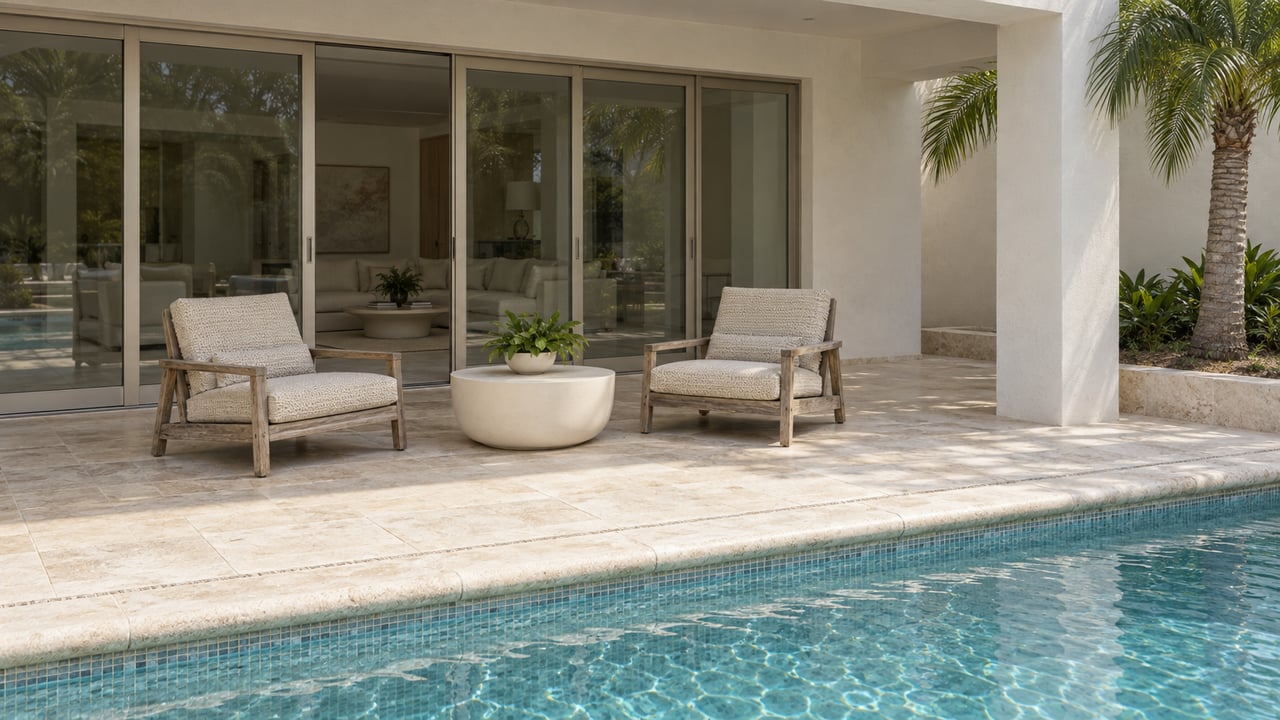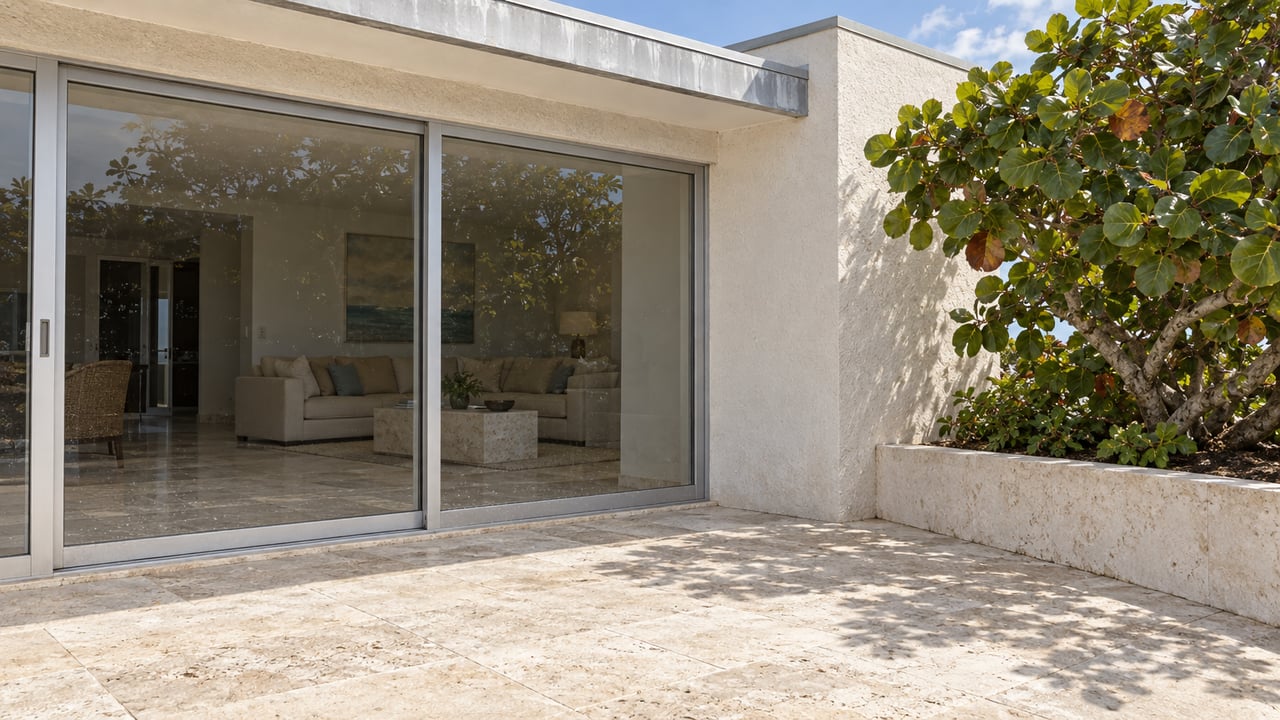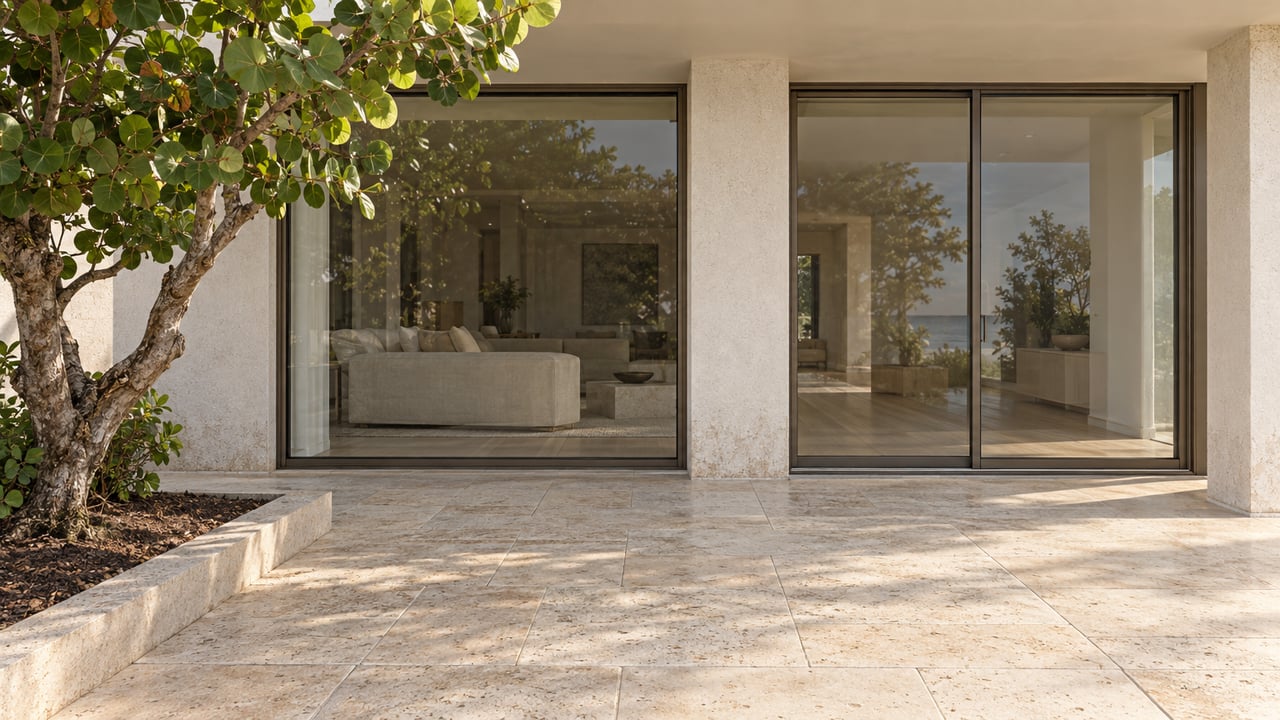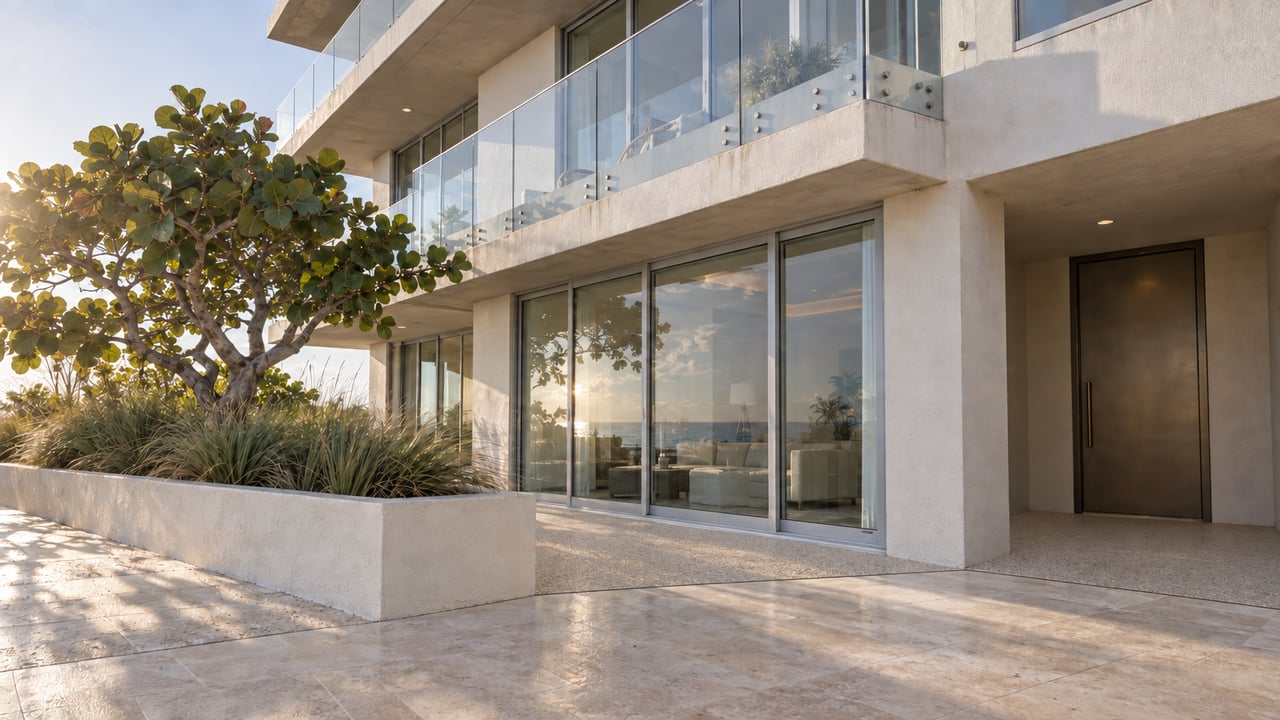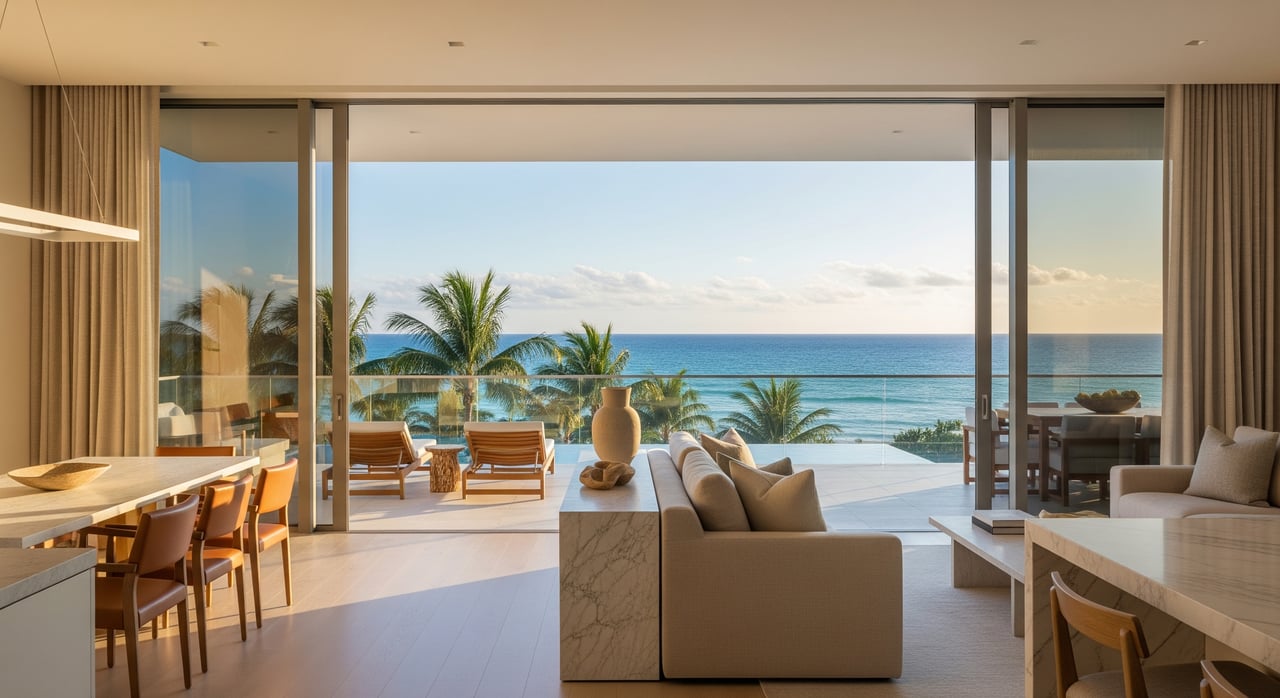
Picture this: you wake to the sound of the Atlantic, step onto your balcony with coffee in hand, and watch the sunrise over the water. If you have ever wondered what it is like to live this way in Boca Raton, you are not alone. Many buyers consider beachfront condos for their views, amenities, and low-maintenance appeal, but want a clear view of the trade-offs. In this guide, you will see how day-to-day life actually feels, what fees and rules look like, and how condos compare with single-family waterfront homes. Let’s dive in.
What beachfront condo living looks like
Beachfront condos in Boca Raton line A1A and the barrier island, with high-rise towers and mid-rise boutique buildings that place you steps from the sand. Many offer direct beach access or private easements, so a morning walk or an afternoon swim can be part of your daily rhythm. You can use the pool or fitness center without getting in the car, then head to downtown Boca’s Mizner Park for dinner, shopping, or a concert. Whether you live here full-time or seasonally, the lifestyle tends to center on convenience, views, and easy access to the coast.
You will find a range of residences, from one-bedroom pied-à-terres to multi-bedroom homes-in-the-sky. In full-service buildings, valet and concierge staff handle deliveries and guests, which is helpful if you travel often. Smaller boutique buildings may trade large staffs for a quieter feel, and often have lower monthly fees in exchange for fewer amenities. The common thread is simple: the ocean is your backdrop, and life tilts toward effortless.
Amenities you can expect
Beach and water access
Many luxury buildings provide private or semi-private beach access, sometimes with attendants or cabanas. Policies vary by property, so confirm what “private beach” includes and where public easements apply. On the Intracoastal side, some communities sit near marinas, which is useful if you plan to keep a boat nearby.
Pools and wellness spaces
Expect oceanfront pools, hot tubs, and in many cases heated options for cooler days. Fitness centers often include strength and cardio equipment, with yoga or stretch rooms in higher-end towers. Some properties have steam and sauna rooms, and a few coordinate with local providers for spa or wellness services.
Concierge, security, and staffing
Staffed lobbies, controlled access, package handling, and valet parking are common in full-service towers. Smaller buildings may rely on gated entries, cameras, and property managers rather than 24-hour staffing. The level of staffing directly affects your experience and the monthly association fees.
Social and entertainment spaces
Resident lounges, clubrooms, and catering kitchens make it easy to host gatherings without leaving the building. Grilling areas and rooftop terraces are popular for casual entertaining. Some buildings organize seasonal events that help you connect with neighbors.
Parking and storage
Most properties offer garage or covered parking with options for guest parking. Storage rooms, bike storage, and surfboard or beach gear rooms vary by building. If you need extra storage, verify availability and any waitlists before you make an offer.
Boating and marinas
Oceanfront condos typically do not include private boat slips. If boating is a priority, plan on leasing or purchasing a slip at a nearby marina along the Intracoastal Waterway. Confirm rules for storing small craft and the distance to marinas you plan to use.
Ownership, fees, and building health
HOA and monthly assessments
Condominium association fees cover common-area upkeep, staffing, insurance on the building’s structure, landscaping, and amenities. Oceanfront towers with 24-7 staffing and resort-caliber amenities generally have higher monthly fees than smaller or inland buildings. Rather than comparing by price alone, review which services and reserves are included.
Insurance basics for condos
The association typically carries a master policy that covers the exterior and common areas. As an owner, you carry an HO-6 policy for interiors, personal property, and liability. Beachfront properties are often in FEMA flood zones, so you may need flood insurance through the National Flood Insurance Program or a private carrier. Windstorm coverage is a separate consideration in coastal South Florida, and policies may include named-storm deductibles.
Hurricanes and resiliency
Most buildings have hurricane procedures, such as shutter policies, generator support for essential functions, and communication plans for storms. Ask about recent upgrades, building envelope maintenance, and any sea wall or beach nourishment considerations. Reviewing these protocols will help you understand resiliency and potential downtime during storm season.
Rentals and income potential
Many associations limit short-term rentals and set minimum lease terms or caps on the number of rentable units. If you plan to rent seasonally, review the governing documents and city rules to confirm what is allowed. Luxury beachfront buildings often see strong seasonal demand for longer leases, but building policies will shape your options.
Reserves, assessments, and building reports
Reserve funding and recent engineering work are central to a building’s long-term health. Ask for the most recent budget, reserve study, and any inspection or engineering reports for the façade, pool deck, and parking structure. A clear picture of planned work and reserves helps you anticipate special assessments.
Taxes and legal framework
Property taxes are set by Palm Beach County. Florida has no state income tax, which many buyers view favorably. Primary residences can qualify for homestead exemptions, while second homes and investments do not. For governance and owner rights, the Florida Condominium Act, Chapter 718, is the guiding law for condo operations and disclosures.
Lifestyle and local highlights
Beaches, parks, and nature
You can anchor your days around the water, from sunrise walks to late-afternoon swims. Local favorites include Red Reef Park for snorkeling, Spanish River Park for beach access, and the Gumbo Limbo Nature Center for sea turtle conservation and nature trails. These spots add variety to your outdoor routine and are a short drive from most beachfront buildings.
Dining, culture, and shopping
Mizner Park is a central hub for dining, shopping, and cultural programming, including the Boca Raton Museum of Art and seasonal events at the amphitheater. You are also within a short drive of Atlantic Avenue in Delray Beach for dining and nightlife. Between casual seafood spots along A1A and chef-driven venues inland, you will have plenty of options for everyday meals and special nights out.
Recreation and day trips
If you are a boater or angler, the Intracoastal Waterway is your playground, with marinas nearby for slips and services. Golf and country clubs are part of the local fabric, and you will find programming across museums, live music venues, and seasonal festivals. Palm Beach International Airport is the closest major airport, with Fort Lauderdale and Miami airports within regional driving distance. A1A offers scenic coastal drives, and I-95 connects you to the rest of South Florida.
Condos vs single-family waterfront homes
Why condos appeal
- Low-maintenance living, with staff and associations handling exterior and common-area upkeep.
- On-site amenities like pools, fitness centers, and concierge services.
- Controlled access and staffed lobbies that enhance security.
- Walkability to the beach and nearby dining, with a turnkey setup that suits frequent travelers and seasonal residents.
Trade-offs to weigh
- Less private outdoor space, with balconies instead of yards.
- Association rules for renovations, guest use, pet policies, and rentals.
- Limited customization of exteriors and some interiors that affect structural elements.
- Shared systems and common areas that can lead to occasional noise or elevator wait times.
Single-family waterfront contrasts
- Greater autonomy, with private yards and, in many cases, docks for direct boat access.
- Higher responsibility for maintenance, including sea walls, roofs, landscaping, and pools.
- Different insurance structure, with homeowner policies that cover the dwelling plus separate flood insurance if required.
- More control over resiliency upgrades, balanced by greater exposure to storm-related maintenance.
How to decide
Start with your top priorities. If you value effortless care, on-site amenities, and lock-and-leave simplicity, a beachfront condo may be the right fit. If outdoor privacy, customization, and direct boat docking matter most, a single-family waterfront home can deliver that experience. Run a total cost view that compares HOA fees, insurance, and taxes with the cost of maintaining a house and seawall.
Buyer checklist for Boca beachfront condos
- Review the full association package: declaration, bylaws, rules, budgets, reserve study, and recent meeting minutes.
- Ask for engineering or inspection reports for the façade, pool deck, and parking structure; clarify any planned or recent special assessments.
- Confirm the master insurance coverage and get HO-6 quotes; request flood insurance estimates for the property’s FEMA flood zone.
- Understand hurricane procedures, including shutters, generator capacity, and communication protocols.
- Verify parking entitlements, guest parking rules, and any storage rooms included with the unit.
- Confirm rental policies if you plan to lease seasonally or short-term; note any minimum lease terms or caps.
- Map your daily life: proximity to groceries, healthcare, marinas, Mizner Park, and airports.
- Speak with management about staffing levels, maintenance schedules, and service response times.
How we help you navigate
Selecting the right beachfront condo is about more than views. You want a building with sound reserves, clear policies, and a lifestyle that fits how you live. Our team pairs long-standing local knowledge with a discreet, white-glove process that surfaces the right options on and off market. When you are ready to compare buildings, vet association documents, and model true monthly costs, connect with The Olive Belcher Team for a private, tailored plan.
FAQs
Do Boca Raton beachfront condos include private beach access?
- Many offer private or semi-private access, but details vary by building. Review association documents to confirm access, amenities, and any public easements.
What insurance do I need for a beachfront condo in Boca Raton?
- The association’s master policy covers the structure and common areas. You will need an HO-6 policy for interiors, plus flood and wind coverage as required by the property’s location and lender.
Can I rent my beachfront condo short-term to offset costs?
- Short-term rentals are often restricted. Many buildings set minimum lease terms and rental caps, so confirm rules before you buy.
How do HOA fees compare across buildings?
- Fees vary widely based on staffing, amenities, insurance, and reserves. Focus on what the fee includes and the building’s capital plan rather than the dollar amount alone.
What should I review to assess a building’s health?
- Ask for the budget, reserve study, recent engineering or inspection reports, and meeting minutes. These documents reveal upcoming projects, assessments, and management quality.