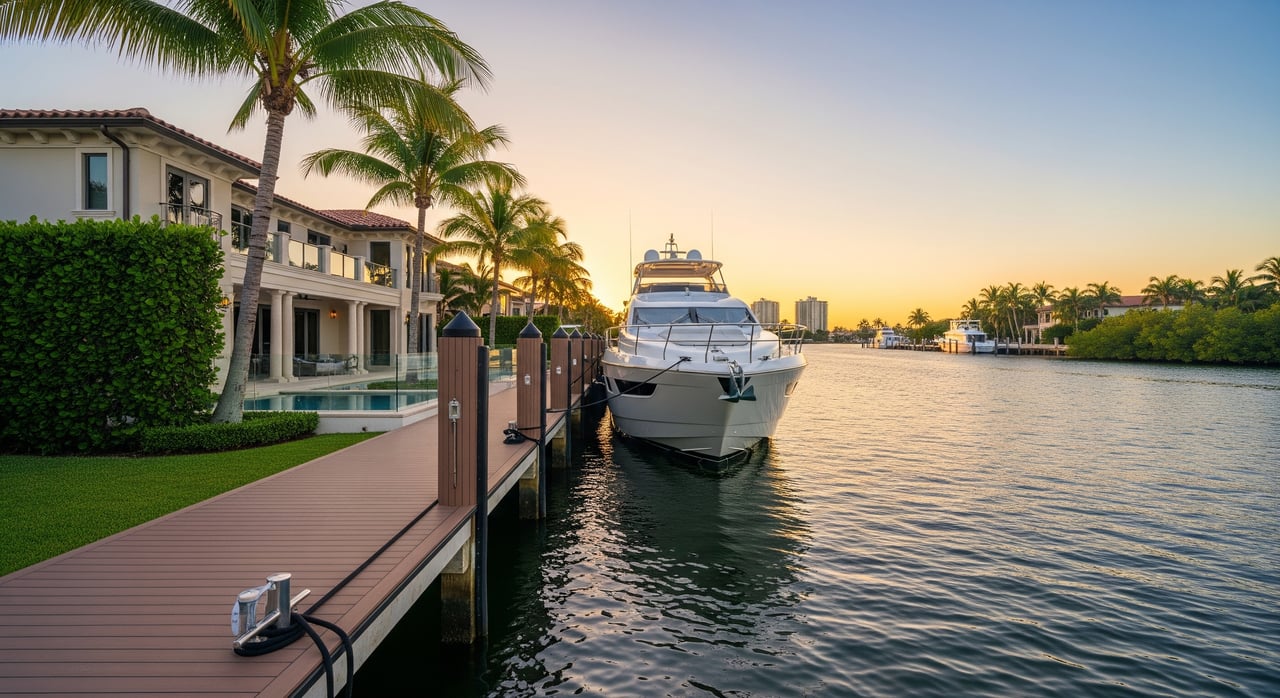
If you love being on the water, you know not all “waterfront” lives the same. In Boca Raton, canal width, bridge clearances, depth, and service access can shape your day on the water as much as the view. Your goal is simple: a property that fits your boat, your routine, and your peace of mind. In this guide, you’ll learn how Boca’s waterfront corridors differ for boaters, what to verify before you buy, and how to match a property to your vessel and lifestyle. Let’s dive in.
What matters most for Boca boaters
Boca Raton sits on the Intracoastal Waterway with a network of man-made canals and protected lagoons. For most homes, the ICW is your main thoroughfare, and ocean trips start with a short run along the ICW to a nearby inlet. This means your daily experience depends on your route to the ICW, bridge clearances along the way, and how close you are to fuel, service, and safe tie-ups.
As you compare properties, focus on five pillars:
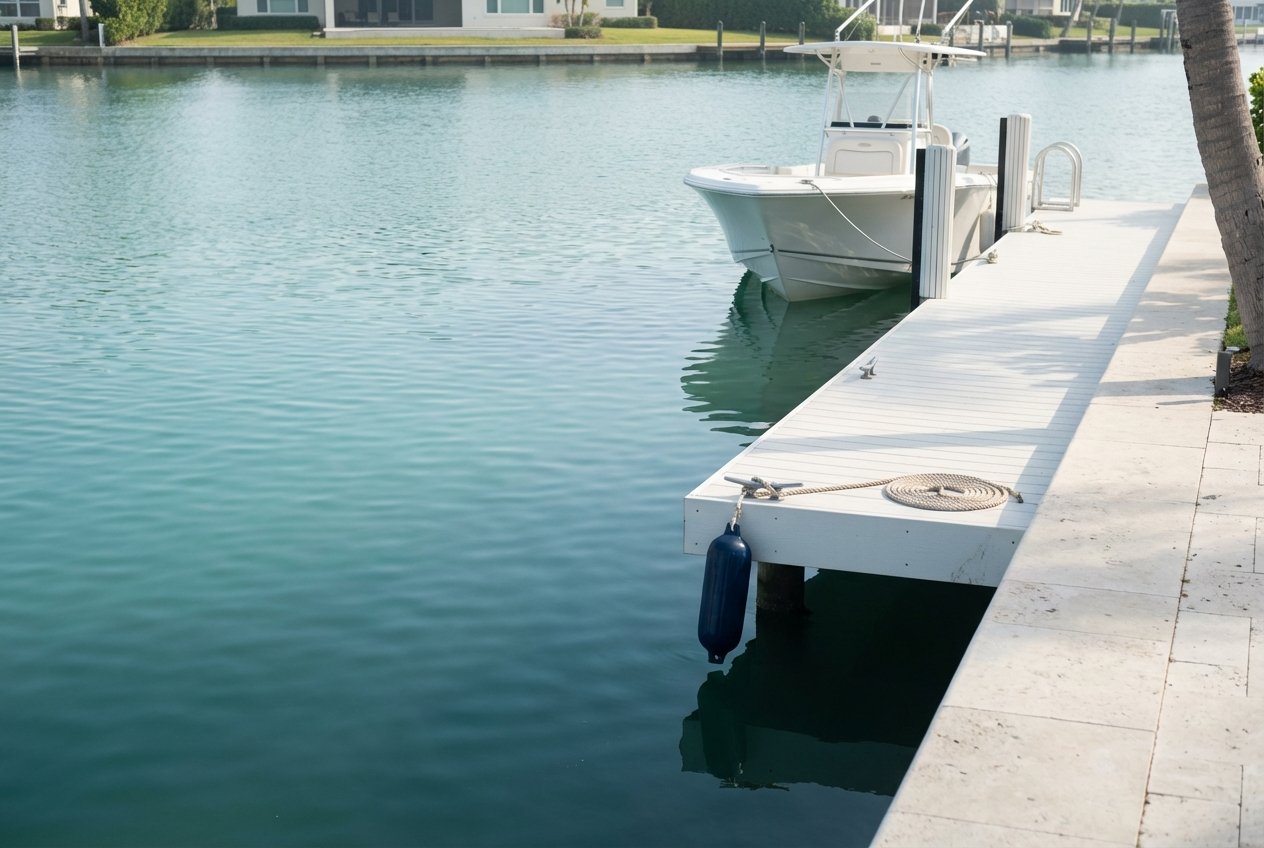
- Dock fit: length, beam, turning room, and seawall condition.
- Depth and draft: canal and basin depths vary, especially at low tide.
- Vertical clearance: fixed and movable bridges can limit taller vessels.
- Speed zones and traffic: manatee protection and ICW traffic influence timing.
- Service access: proximity to fuel, haul-out, and maintenance support.
For navigation planning and verification, use official resources like the NOAA Office of Coast Survey charts and NOAA Tides and Currents.
Boca’s waterfront corridors for boaters
Intracoastal waterfront
Properties that face the ICW offer immediate access to the main fairway. You can cruise quickly to marinas and head toward a regional inlet for ocean runs. Expect more traffic and defined speed zones along this corridor.
- Best for: Frequent ICW cruising, moderate to larger powerboats, and low-masted sailboats.
- Considerations: Bridge opening schedules and vertical clearances, fairway etiquette, and potential limits on slip extensions along seawalls.
- Typical properties: Single-family homes with private docks, townhomes, and condo buildings with shared slips.
Canal-front neighborhoods
These communities sit on branching canals that feed the ICW. Canals range from narrow, single-lot channels to wider basins with easier maneuvering.
- Best for: Trailerable boats, small to mid-size center consoles and day cruisers, inshore fishing, and local family outings.
- Considerations: Draft at low tide, turning room at the dock, overhead utilities, and HOA dock rules.
- Typical properties: Single-family homes with private docks and seawalls.
Deep-water pockets and marina clusters
Select stretches and private marinas feature deeper basins, larger slips, and more robust service. These pockets are typically closer to the ICW fairway and may reduce complexity for bigger vessels.
- Best for: Larger express cruisers and motor yachts, plus mid-size sailboats where bridge clearance allows.
- Considerations: Slip availability and cost, insurance requirements, and storm plans. Expect premium pricing for full-service facilities.
- Typical properties: Upscale homes with substantial docks or owners who lease slips at nearby marinas.
Lake and lagoon-front settings
Protected lagoons and coastal lakes, such as Lake Boca Raton, offer calm waters and a social boating scene. These areas typically favor small, shallow-draft boats and paddlesports, with access to the ICW via defined channels.
- Best for: Kayaks, paddleboards, small skiffs, and relaxed family boating.
- Considerations: Limited depth, environmental protections, and rules that may restrict vessel type and speed.
- Typical properties: Residences with smaller private docks and easy launch spots for light craft.
Public ramps and municipal access
Public launch ramps and municipal facilities in and around Boca Raton and neighboring towns support trailered boats and short-term tie-ups. They are helpful when you host visiting friends or need service access.
- Best for: Trailering convenience, guest access, and transient plans.
- Considerations: Seasonal demand, time-limited mooring, and variable fee structures.
Pocket match examples
Use these examples to think about fit before you tour homes. Actual conditions change, so always confirm with official charts and local facilities.
- Pocket with wide ICW frontage — best for: express cruisers 35 to 60 feet; why: direct ICW access, easy approach angles for docking, and short runs to fuel and service. Not ideal for: tall-masted sailboats if nearby bridges have limited vertical clearance.
- Canal grid with narrow fairways — best for: center consoles 20 to 32 feet; why: protected canals with manageable depths and turning basins suited to small to mid-size boats. Not ideal for: wider-beam yachts that need more room to maneuver.
- Deep-basin marina cluster near main fairway — best for: motor yachts 50 feet and up; why: deeper slips, shore power, fuel, and haul-out within close reach. Not ideal for: buyers who prefer private backyard dockage without marina activity.
- Lagoon-facing pocket — best for: skiffs, pontoons, and paddlesports; why: calm, protected water and easy daily use. Not ideal for: ocean-going boats that need consistent deep-draft access.
Bridges, depth, and speed zones
Vertical clearance and bridge policies can be a make-or-break issue for taller vessels. Always inventory the number of bridges between a candidate property and your preferred inlet, whether each is fixed or movable, and the opening schedule. You can confirm current bridge notices and policies through the U.S. Coast Guard Local Notices to Mariners.
Depth is equally important. Canal and basin depths can shoal, especially after storms or during long dredging cycles. Cross-check charted depths against recent local knowledge and tide data using NOAA Tides and Currents.
Boca Raton and Palm Beach County waters also include manatee protection and seasonal speed zones. These affect timing and operating speeds in designated areas. Review the FWC manatee protection zones and broader Florida boating regulations before planning regular routes.
Permits, seawalls, and long-term care
The age and condition of a seawall or bulkhead can shape long-term maintenance costs and even insurance. Many improvements, from dock extensions to seawall work, require permits and agency review. Before you plan upgrades, consult the City and County, and confirm any HOA rules.
- Start with the City of Boca Raton for local building and permit processes for docks and seawalls.
- Check Palm Beach County for shoreline projects and environmental requirements. The County’s site is a useful gateway for dredging and coastal program information: Palm Beach County government.
- For state and federal coastal permitting, consult the Florida Department of Environmental Protection and the U.S. Army Corps of Engineers.
Insurers and lenders often review dock condition, proximity to open water, and storm exposure. Ask early about hurricane plans, haul-out options, and any policy limits for your intended vessel and location.
Buyer-match checklist
Use this checklist to align a property’s water access with your boat and lifestyle.
- Boat profile: LOA, beam, draft, and air draft for sails or hardtops.
- Primary use: inshore fishing, day cruising, nearshore trips, or longer-range cruising.
- Storage plan: backyard slip, leased marina slip, dry-stack, or trailer.
- Service needs: fuel type, shore power, pump-out, and haul-out capacity.
- Route to inlet: count bridges, note fixed vs bascule, and flag clearance limits.
- Depth and maneuvering: canal depth at low tide, turning radius, and any shoaling.
- Slip details: private dock dimensions and nearby marina slip sizes and availability.
- Rules and permits: HOA limits, noise and lighting rules, dock and seawall permits.
- Storm planning: marina hurricane policies and haul-out options within a practical radius.
- Insurance: any known underwriting constraints for the area or dock type.
Pro tip: keep a simple comparison grid for top candidate properties. Track the same details for each pocket so trade-offs are clear.
Plan your route with confidence
Even if you know the ICW well, route conditions shift with tides, traffic, and maintenance schedules. Before you finalize a purchase, do three quick drills:
- Chart your route: trace the line from dock to ICW and to your preferred inlet on NOAA Office of Coast Survey charts. Note narrow fairways and bends where maneuvering space matters.
- Time windows: review tide and current patterns for your canal or basin via NOAA Tides and Currents. If your vessel is draft-sensitive, set a personal minimum.
- Bridge reality check: verify clearances and opening schedules using the U.S. Coast Guard Local Notices to Mariners. If your air draft is close, assume a margin of safety and get eyes-on during a showing.
Work with a local waterfront advisor
The right Boca Raton waterfront home should simplify your time on the water, not complicate it. A focused, pocket-by-pocket approach helps you avoid surprises and match your dock to your boat and routine. If you would value discreet guidance, local market memory, and help verifying the details that matter on the water, we are here to help.
For a tailored shortlist and private showings aligned with your vessel and lifestyle, connect with The Olive Belcher Team. Request a Private Consultation.
FAQs
What Boca Raton areas work best for larger yachts?
- Deep-water pockets and marina clusters near the main ICW fairway typically suit larger express cruisers and motor yachts, with deeper basins and shore power. Always confirm slip size, depth, and services with charts and local marinas.
How do bridge clearances affect sailboats and tall hardtops?
- Vertical clearance can be decisive for tall-masted sailboats and some sportfish towers. Inventory every bridge on your route and confirm openings and clearances with the U.S. Coast Guard Local Notices to Mariners.
Are manatee and speed zones a big factor for timing?
- Yes. Manatee protection zones and seasonal speed rules can slow travel in certain areas. Review the FWC manatee protection zones to set realistic expectations for daily runs.
What should I look for in a seawall and dock inspection?
- Focus on structural condition, tie-back integrity, cap condition, and signs of settlement or washout. Ask about age, permits, and any recorded repairs with the City of Boca Raton and Palm Beach County records.
Can I expand a dock or add a boat lift at a Boca property?
- Possibly, but you must confirm municipal permits, HOA rules, and environmental approvals. Start with the City, then review state and federal requirements through the Florida Department of Environmental Protection and the U.S. Army Corps of Engineers.
Where can I find reliable tide, current, and chart data?
- Use NOAA Office of Coast Survey charts for navigation, and NOAA Tides and Currents for water levels and flow patterns. Cross-check with local marinas for the latest on shoaling or dredging.